
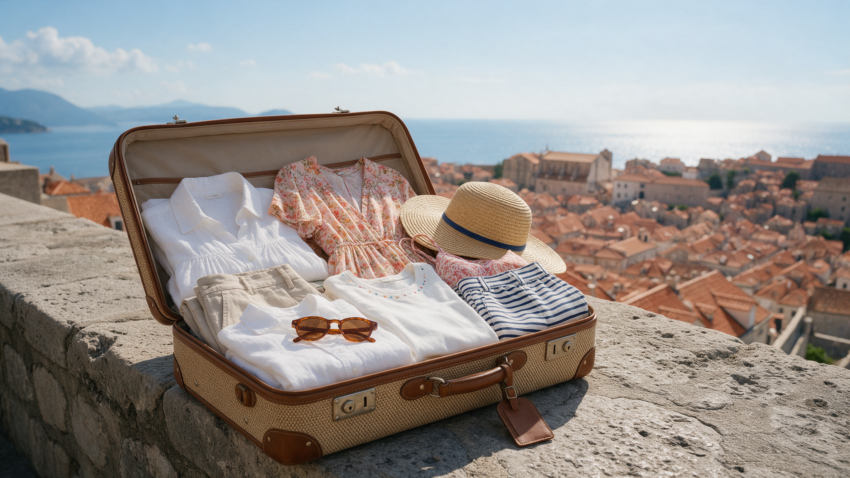
Croatia packs three different climates into one country roughly the size of West Bengal, and that’s the part most generic packing lists get wrong. Zagreb sits inland with a real continental winter — frost, the occasional snow flurry, coats that actually earn their keep — while Dubrovnik and Split, a few hours south by road, stay mild enough in January that locals are still out in light jackets, not down parkas. Add a coastline that turns into a boat-and-island circuit every summer, church interiors that expect covered shoulders even on the hottest August afternoon, and limestone streets that get genuinely slick when wet, and “just pack for Europe” stops being useful advice.
This Croatia travel guide to packing works month by month and place by place: what actually goes in the suitcase for Split’s Riva promenade in April, for a day trip to Hvar in July, for the Plitvice boardwalks in October, and for Zagreb’s Advent market when the temperature drops below zero. Most of this assumes a fairly typical Croatia 7-day travel itinerary that mixes at least one inland stop — Zagreb or Plitvice — with the coast; adjust down if you’re staying entirely on the islands. And if you’re weighing Croatia tour packages from India or building a custom itinerary with Get Tripped’s planners, getting the season right is really the first packing decision. Everything else follows from that.
On This Page
- Croatia’s Seasons at a Glance
- Spring (April–May): What to Pack
- Summer (June–August): Adriatic Heat and Island Hopping
- Autumn (September–October): The Shoulder Season
- Winter (November–March): Zagreb Cold vs. Coastal Mild
- Footwear: Dubrovnik’s Polished Stones and Plitvice’s Boardwalks
- What to Wear for Churches and Monasteries
- Plug Type, Voltage and Electronics
- Easy-to-Forget Items
- Frequently Asked Questions
Croatia’s Seasons at a Glance
Before the month-by-month detail, here’s the shape of a Croatian year. The coastal figures below are averages for Dubrovnik and Split; Zagreb, roughly 400km inland, runs noticeably colder from November through March and about as warm as the coast in high summer.
| Season | Months | Dubrovnik/Split Daytime Highs | Zagreb Daytime Highs | Adriatic Sea Temperature |
|---|---|---|---|---|
| Spring | April–May | 18–23°C | 18–22°C | 15–18°C |
| Summer | June–August | 27–31°C | 26–28°C | 22–25.5°C |
| Autumn | September–October | 20–26°C | 17–22°C | 20–23°C |
| Winter | November–March | 11–18°C, rarely below 5°C | -2°C to 11°C, with night frost and occasional snow | 14–17.5°C |
That gap between Zagreb and the coast is the single most important thing to plan around if your trip covers both. A December visit built around Zagreb’s Advent markets followed by a hop down to Dubrovnik for New Year genuinely means packing for two different climates on one trip, not one. It’s also the honest answer to the best time to visit Croatia, a question the Croatian National Tourist Board gets constantly and never quite answers with one month: there isn’t one single best month, there’s a best month for what you want. Late May, June and September give you warm weather without August’s crowd crush; July and August are for people who specifically want beach-club energy and don’t mind sharing the Stradun with a cruise-ship crowd; winter is its own, quieter trip.
Spring (April–May): What to Pack
April on the coast averages a high of around 18°C, climbing to the low-to-mid 20s by May, but mornings and evenings still want a jacket, and April is genuinely one of the rainier months on the Adriatic. The sea is still cool — 15 to 18°C — so this isn’t really a swimming trip unless you’re one of the hardier Split locals who swim through most of the year regardless. Inland, Zagreb tracks a similar curve but a touch cooler, with May evenings still occasionally dropping into single digits.
Pack for layers rather than for one fixed temperature. A proper rain jacket earns more use than an umbrella here — the coast gets wind off the Adriatic that turns umbrellas inside out within a block. Underneath, a mix of full-sleeve cotton shirts, one lightweight sweater or fleece for evenings, and jeans or breathable trousers covers most days. Bring closed shoes; the cobblestones in Split’s old core and Dubrovnik’s side streets are unglamorous in canvas shoes that don’t dry fast. One caveat worth saying plainly: don’t pack a suitcase of summer wear because Croatia is “Mediterranean” — May by the sea can still mean a cardigan at an outdoor dinner, and travelers who show up expecting July weather in April are a familiar sight, shivering slightly at sunset drinks.
Summer (June–August): Adriatic Heat and Island Hopping
This is peak season for a reason. Dubrovnik and Split run daytime highs from the mid-20s in June to a firm 30°C-plus through late July and August, and the heat off the white limestone streets makes it feel hotter than the number suggests — Stradun at 2pm in August has the kind of reflected glare that sends locals indoors until the shutters come back open around four. The sea, meanwhile, is at its best: 22 to 25.5°C from June through August, warm enough that even reluctant swimmers get in.
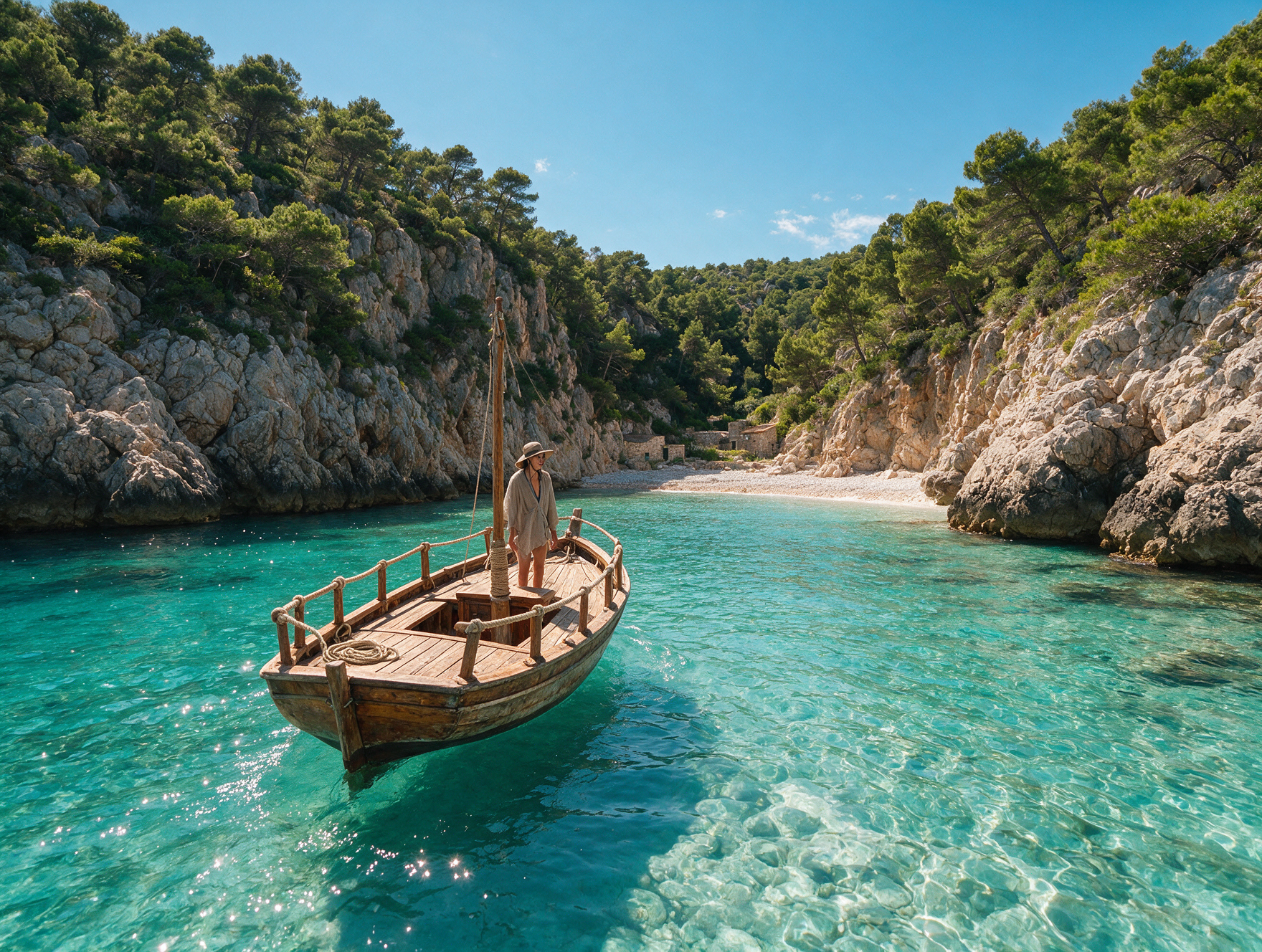
Pack light, breathable fabrics — cotton and linen over synthetics, which trap heat against the skin in this kind of dry, sun-heavy climate. You’ll want at least two swimsuits so one is always dry, a lightweight cover-up or kaftan for the walk between beach and café, and a wide-brimmed hat that actually has a chin strap, because open-deck boat trips to Hvar or the Pakleni Islands come with real wind. Bring proper sunglasses with UV protection, a higher-SPF reef-conscious sunscreen, and a dry bag or at minimum a sturdy ziplock for phones and cash on any boat day — speedboats to the islands throw spray. If you get seasick, pack tablets before you leave India rather than hunting for them in a Hvar pharmacy on the morning of a transfer. Croatia has used the euro since 2023, so there’s no separate travel currency to sort out, but small island beach bars off Hvar sometimes skip cards, so carry some cash.
Here’s an honest opinion: skip the convertible zip-off trekking trousers that show up on every “versatile packing” list. You won’t need them in Croatia’s stone-paved towns or on Plitvice’s marked trails, and they read as more safari-park than Dalmatian coastal town. A decent pair of breathable regular trousers or a linen dress will feel more at home in Split’s Riva cafés and Rovinj’s waterfront restaurants. And the mistake we see most often in summer: one pair of white sneakers packed for the entire trip. They won’t survive Plitvice’s dust and mud, they’re miserable and slow to dry after a boat splashes them, and they don’t grip Dubrovnik’s polished stone any better than anything else. Bring a proper walking shoe for towns and trails, and separate grippy sandals for the beach and boat days — more on both below.
Autumn (September–October): The Shoulder Season
September is arguably Croatia’s best-kept packing secret. Dubrovnik still runs a daytime high around 26°C with the sea holding at 23.5°C — genuinely swimmable — while the peak-season crowds thin out noticeably once European and Indian school holidays end. October cools further, to a high around 20-22°C on the coast and 17°C in Zagreb, with the sea dropping into the low 20s and then high teens by month’s end.
This is also when Croatians themselves tend to take their own holidays, so restaurants that inflated hours and prices for August start running normal again, and there’s a genuinely different, more local rhythm to towns like Rovinj and Zadar. Pack much like early summer but add one real jacket for evenings, especially in October, and swap one swimsuit for a light long-sleeve layer. Walking shoes matter more here than in high summer — the first autumn rains can make Plitvice’s trails and Dubrovnik’s stepped lanes slicker than they look in photos taken in July’s dry heat. If truffle season in Istria is anywhere near your route, September and October is exactly when to go looking for it.
Winter (November–March): Zagreb Cold vs. Coastal Mild
If you’re planning Croatia trips between November and March, packing is really a story about two climates, not one. Zagreb turns genuinely cold: daytime highs hover around freezing in January and February, night lows regularly drop below zero, the city sees roughly a month’s worth of snow days across the winter, and severe cold snaps — down to -15°C or colder — happen most years. The coast is an entirely different proposition. Dubrovnik’s winter daytime highs typically sit between 12 and 14°C, rarely dropping below 5°C, and Split is similar, though a stiff bura wind rolling off the mountains can make a mild 12°C day feel considerably colder near the water.
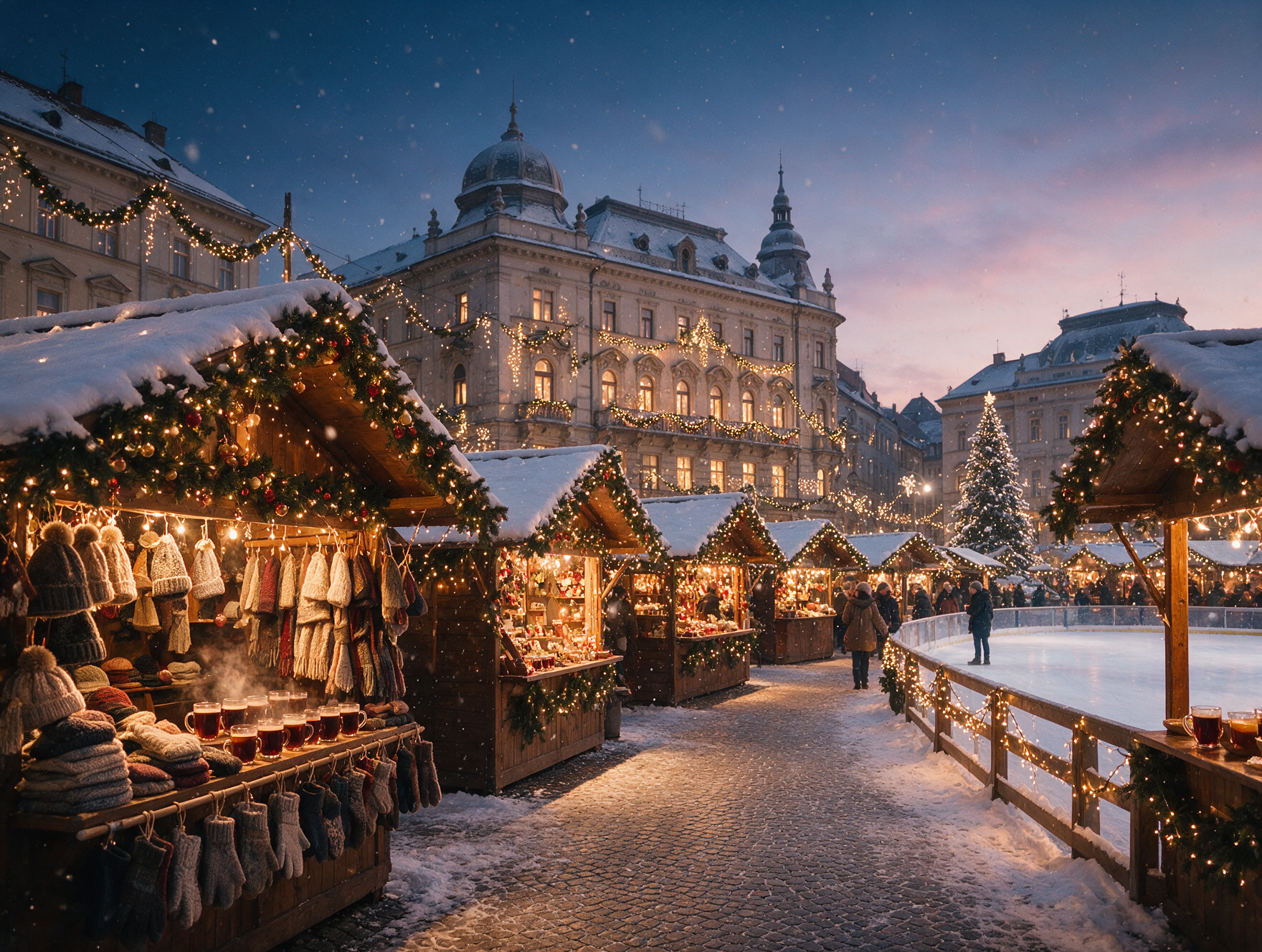
Zagreb’s winter is also its highlight season for a different reason: Croatia winter holidays built around the city’s Advent market are a genuinely good reason to visit in the cold. It’s been named Europe’s best Christmas market multiple years running in reader polls, and it’s less a single market than a city-wide series of stalls, an ice rink, and mulled wine stands spread across Zrinjevac Park and Ban Jelačić Square from late November into early January. Dress for it properly: a real wool or insulated coat, thermal base layers, gloves, a beanie, and waterproof boots with actual tread, not fashion boots with a smooth sole. For the coast in the same season, a mid-weight waterproof jacket, a scarf, and closed shoes are usually enough, though pack that jacket windproof rather than just warm — the bura cuts through thin fabric fast. Layering under regular clothes helps everywhere in winter, since interiors, buses, and cafés run warm and you’ll be constantly adding and shedding layers through the day.
Footwear: Dubrovnik’s Polished Stones and Plitvice’s Boardwalks
This deserves its own section because it genuinely changes how comfortable your trip is. Dubrovnik’s UNESCO-listed Old Town streets, especially the Stradun, are limestone that’s been polished by centuries of foot traffic into something closer to marble than pavement. It looks beautiful in photos and it is legitimately slippery, particularly after rain, and Dubrovnik gets its fair share of that outside high summer. City workers periodically hand-hammer the busiest stretches — the steps near Pile Gate among them — to rough the surface back up before peak season, a maintenance detail the local paper has reported on directly, which tells you how real the problem is. I watched a woman in wedge sandals slip near the Buža Gate steps after a short afternoon shower, and a waiter from the café next door caught her arm without breaking his own stride, like he’d done it fifty times that week. He probably had.
The fix is simple: closed-back, flat shoes with actual tread. Trainers work fine. Walking sandals with a grippy sole work fine. Smooth-soled ballet flats, new leather-soled shoes, heels of any height, and flip-flops on the stepped side-lanes are all a bad idea, wet weather or not.
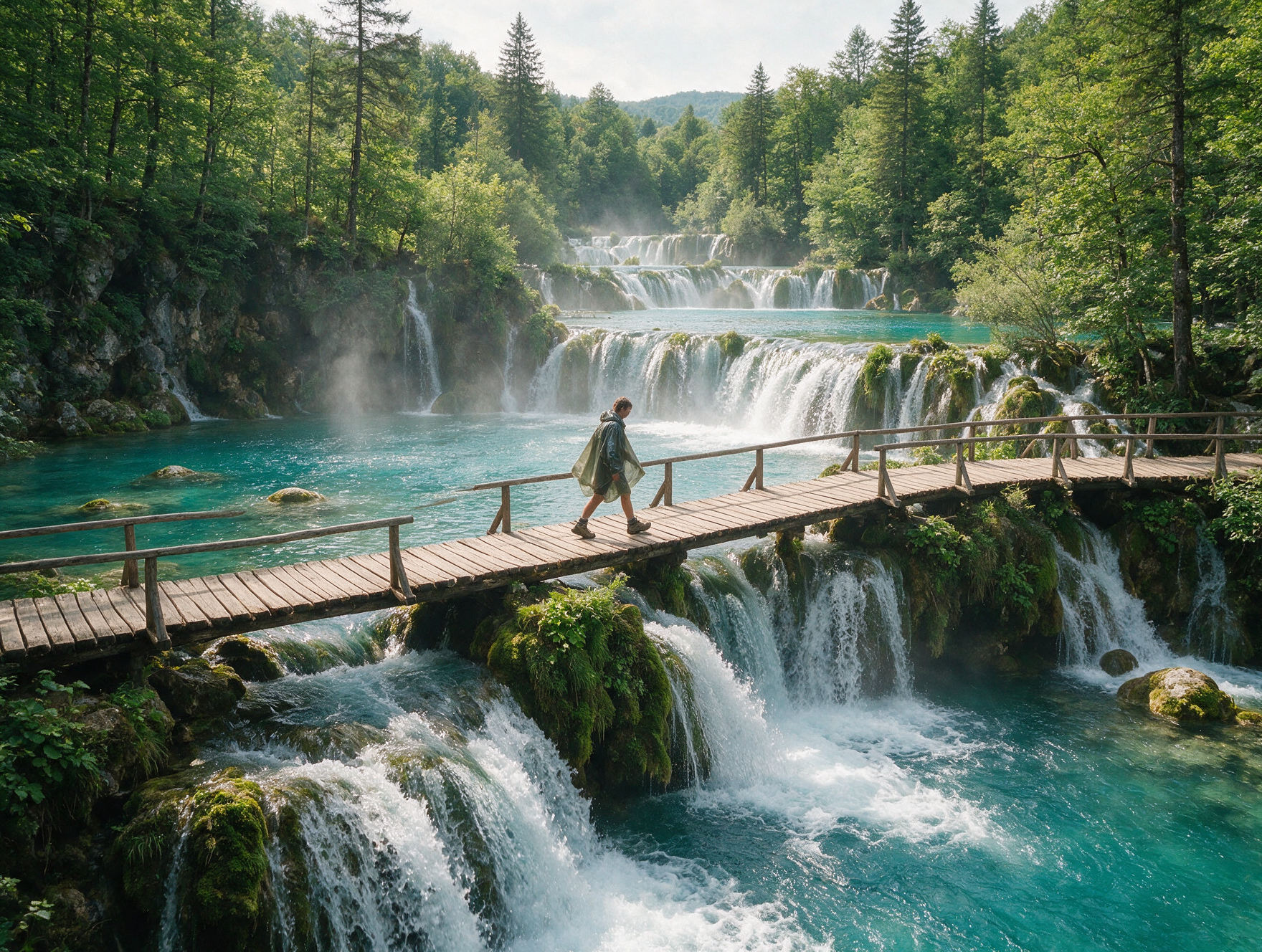
The other footwear situation is Plitvice Lakes National Park, where the walking routes run along wooden boardwalks over and between the turquoise lakes and waterfalls. They’re flat and well-built, but waterfall spray and rain make them slick, some sections have only a low rail, and depending on which route you choose you’re covering anywhere from four to eight kilometres on foot. Sandals technically get you around, but they’re a bad trade for how much walking is involved. One honest caveat: Plitvice is beautiful, but by mid-morning in July and August the boardwalks feel more like a queue than a nature trail — you’ll spend as much time waiting for other people’s photos to finish as taking your own. Go right at opening if you want the lakes without the crowd.
The practical answer for most trips is two pairs of shoes: one proper walking shoe or trainer for Old Towns and Plitvice, and separate grippy sandals for beaches and boat decks. Trying to make one pair do everything is exactly the mistake that leaves people limping through their last two days.
What to Wear for Churches and Monasteries
Croatia is heavily Catholic, and its churches and monasteries — Dubrovnik’s cathedral and Franciscan Monastery, Split’s Cathedral of St Domnius inside Diocletian’s Palace, island monasteries on Hvar — generally expect covered shoulders and knees, for men and women both. Some enforce it strictly with a sign and someone checking at the door; others are looser about it but it’s respectful to dress the part regardless of enforcement.
The easiest fix is a lightweight scarf, sarong or shawl that lives in your daypack all trip. It drapes over shoulders for an unplanned church stop, doubles as a beach cover-up, and works as sun protection on boat days. If a monastery or cathedral is definitely on the day’s plan, skip the sleeveless top and above-the-knee shorts and save them for the beach afterward. Men in shorts should carry at least one knee-length option for the same reason.
A small, unrelated fun fact while we’re on the subject of things Croatia has given the world’s wardrobe: the necktie is a Croatian invention. The word “cravat” comes from “Hrvat,” the Croatian word for Croat, after 17th-century Croatian mercenaries serving in France wore knotted neck scarves that Parisian fashion promptly copied. It has nothing to do with church dress codes, but it’s a decent piece of trivia if you’re eyeing a silk tie as a souvenir in Zagreb or Dubrovnik.
Plug Type, Voltage and Electronics
Croatia runs on 230V at 50Hz — the same voltage and frequency as India — so Indian travelers do not need a voltage converter, only a plug adapter. Croatian sockets are Type C and Type F (two round pins), and Type E plugs also fit Type F sockets. Here’s the detail that saves you buying an adapter you don’t need: most phone and laptop chargers already use a two-round-pin Europlug (Type C) connector, which fits directly into Croatian sockets with no adapter at all. It’s really only bulkier Indian three-pin plugs — some hairdryers, certain laptop bricks, and travel kettles — that need an adapter. Pack one basic universal travel adapter for those, buy it in India before you leave, and skip the overpriced airport-kiosk version.
Easy-to-Forget Items
A few things that don’t make the obvious lists but earn their space in the suitcase:
- A universal sink plug or rubber stopper — a surprising number of Croatian apartments and guesthouses don’t have one, which makes hand-washing swimwear harder than it should be.
- A power bank for long walking days in Dubrovnik’s Old Town or a full day at Plitvice, where charging points are scarce.
- Motion sickness tablets if you’re at all prone to it, bought before you leave rather than hunted down at an island pharmacy the morning of a ferry.
- Earplugs, if you’re staying anywhere near Dubrovnik’s Old Town — the narrow stone alleys carry bar noise upward and outward far more than a normal street would.
- Any prescription medication in its original packaging, ideally with a doctor’s note, since Croatian customs can ask.
One local tip that isn’t in the usual top-10 packing lists: bring an old pillowcase. It works as a laundry bag for the trip home, a liner inside your daypack to keep beach sand out of everything else, and it folds down to nothing when empty. It sounds like a strange thing to recommend in a premium packing guide, but it’s the kind of small, unglamorous fix that experienced sailors and repeat Adriatic travelers actually use.
Frequently Asked Questions
What is the best time to visit Croatia?
There isn’t a single best month — it depends on what you want. Late May, June and September offer warm, swimmable weather without August’s crowds and prices. July and August are hottest and busiest, better if beach clubs and island-hopping energy are the point. Winter, especially around Zagreb’s Advent market, is a completely different but genuinely worthwhile trip.
Do Indian travelers need a visa for Croatia?
Yes. Croatia is part of the Schengen Area, so Indian passport holders need a Schengen visa arranged before travel. Visa processing and required documents can take a few weeks, so it’s worth starting well ahead of your travel dates, and Get Tripped’s Croatia trip planners can walk you through the current documentation if you’re booking through a custom itinerary.
What plug adapter do I need for Croatia?
A basic Type C or Type F travel adapter. Croatia runs 230V/50Hz, identical to India, so you don’t need a voltage converter — just an adapter for any Indian three-pin appliances. Most phone and laptop chargers already fit Croatian sockets without any adapter at all.
Is Croatia very cold in winter?
It depends entirely on where. Zagreb gets a real continental winter with daytime highs near freezing and occasional snow. The Dalmatian coast — Dubrovnik and Split — stays much milder, typically 12-14°C in the day, though winter winds can make it feel colder near the water.
What should I wear to visit Dubrovnik’s Old Town?
Comfortable, closed, flat shoes with real tread — the polished limestone streets get slippery, especially when wet. Light, breathable layers in summer and a windproof jacket in winter. If a church or monastery is on your route, carry a scarf or shawl to cover your shoulders.
Can you swim in the Adriatic year-round?
Realistically, June through September is when the sea is genuinely comfortable, running from the low 20s up to around 25.5°C in August. It’s swimmable for hardier visitors into October, but by December through April it drops to the mid-teens, which is bracing rather than pleasant for most people.
What shoes should I pack for Plitvice Lakes National Park?
Closed, comfortable walking shoes with decent grip. The wooden boardwalks are well-maintained but get slick with waterfall spray and rain, and most routes cover several kilometres on foot, which makes sandals or flip-flops a poor choice even in summer.
Is Croatia expensive for Indian travelers?
It sits closer to Western Europe than budget Southeast Asia in cost, particularly in peak summer along the coast, but shoulder-season travel in May, June or September stretches the budget noticeably further on hotels and restaurants without giving up good weather.
Wherever your Croatia trip lands on the calendar, the suitcase changes with it, and that’s really the whole point of planning by season rather than by a generic Europe checklist. If you’d rather have someone map the details against your dates — custom Croatia trips built around a specific week, Dubrovnik and Split tour packages that string the coast together sensibly, or Croatia family holiday packages timed to school vacations — Get Tripped’s Croatia trip planners can help you get the itinerary right first, so the packing list above is the easy part. You can start with Get Tripped’s Croatia travel guide for the full destination overview, and take it from there.