
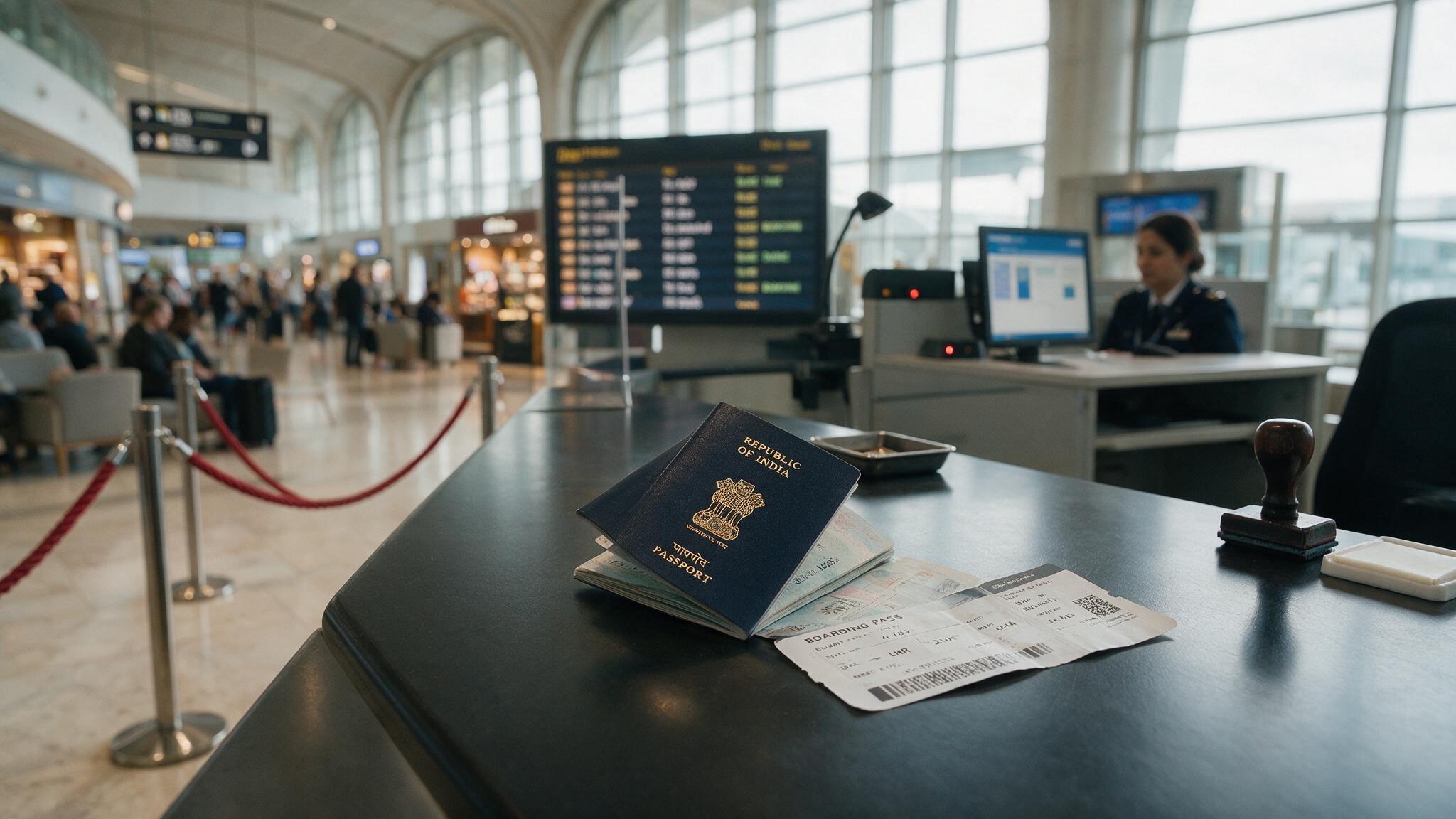
Somewhere in a client conversation about a second Switzerland trip, someone always asks the same question: “wait, do we have to go through the whole visa process again, from scratch, like it’s our first time?” For years, the honest answer was yes — pretty much. A completely fresh Schengen application, however many times you’d travelled responsibly before, however clean your record. That’s no longer quite true, and the change is worth understanding properly, because most of what’s written about it online is either buried in legal language or oversold as an “automatic 5-year visa” that isn’t automatic at all.
Here’s what the cascade regime actually does, who it applies to, and — more usefully — what it’s worth planning your next one or two Europe trips around.
What the Cascade Regime Actually Changed
In April 2024, the European Commission adopted rules specific to Indian nationals that are more generous than the general Schengen visa code — and 2026 is the year those rules have actually started showing up in ordinary travellers’ passports rather than just in policy documents. The mechanism is called the cascade regime, and the idea behind it is simple: instead of treating every applicant as a first-timer, it rewards a clean travel history with progressively longer multi-entry visas.
In practice, it works in tiers. An Indian applicant with no prior Schengen visa typically still gets a standard single- or double-entry visa tied to specific travel dates, same as before. But someone who has lawfully used two Schengen visas within the past three years can now be issued a two-year multiple-entry visa. And from there, provided the passport has enough remaining validity, the two-year visa is normally followed by a five-year one.
That progression — first trip, second trip, then multi-year access — is the actual shape of the policy, and it’s worth being precise about it, because a fair amount of coverage online implies Indians can just walk in and request a five-year visa. They can’t. It’s earned through the two prior trips, not granted on a first application.
Who Qualifies, and What “Qualifies” Really Means
The baseline requirement is straightforward: two Schengen visas, used lawfully — meaning no overstays, no visa refusals sitting in your history, and travel that broadly matches what you told the consulate you’d be doing — within the previous three years. From there, eligibility opens the door, but it doesn’t force it open. Consular officers still exercise discretion, and the source material on this is blunt about it: overstays, inconsistencies between what you declared and what you actually did, or anything that reads as fraudulent resets the whole cascade back to zero.
This matters practically. If your first two Schengen trips were, say, a Switzerland honeymoon and an Italy anniversary trip, both used within their approved dates with clean re-entry stamps, you’re in a strong position. If one of those trips involved even a few extra days beyond what the visa allowed, don’t assume the two-year visa is coming automatically — it’s genuinely worth checking your own travel history before you build plans around it.
How to Apply, and What Actually Moves the Needle
The application process itself hasn’t been reinvented — you still apply through the same visa application centres (VFS Global or TLScontact, depending on the consulate), submit physical documents, and get issued a visa. What’s changed is what’s inside that application when you’re applying under the cascade regime specifically.
A few things genuinely help: applying four to six weeks ahead of travel rather than at the last minute, making sure every document in the application — flight bookings, hotel confirmations, employment letters, bank statements — tells a consistent story, and explicitly including your full prior Schengen travel history so the consulate can actually see the pattern the cascade regime is meant to reward. Consulates are increasingly cross-referencing applications automatically, so small inconsistencies that used to slide through — a hotel booking that doesn’t match your stated dates, for instance — are more likely to get flagged now than they were a few years ago.
What It Costs and How Long It Takes
The Schengen visa fee itself sits around €80–90 for most adult applicants, which converts to roughly ₹7,000–7,500 at current exchange rates. But that’s rarely the full number you’ll pay — VFS service charges, visa processing centre fees, and mandatory travel insurance typically bring the real total to somewhere between ₹11,000 and ₹23,000 per adult, depending on which country’s consulate you’re applying through and which add-on services you opt into.
Standard processing runs 10–15 working days from when your application reaches the consulate. That window stretches meaningfully during peak summer months — May through August — sometimes to 30–45 days, which is one more reason the “apply 4–6 weeks ahead” advice matters more in summer than in shoulder season.
The Other Big Change: Europe’s New Border System
Worth knowing about even though it’s separate from the visa itself: as of April 2026, the EU’s Entry/Exit System (EES) is fully operational across all 29 participating Schengen countries. It replaces the old manual passport stamp with an automated biometric registration — fingerprints and a facial scan — captured the first time you cross a participating border, then checked automatically on every entry and exit after that.
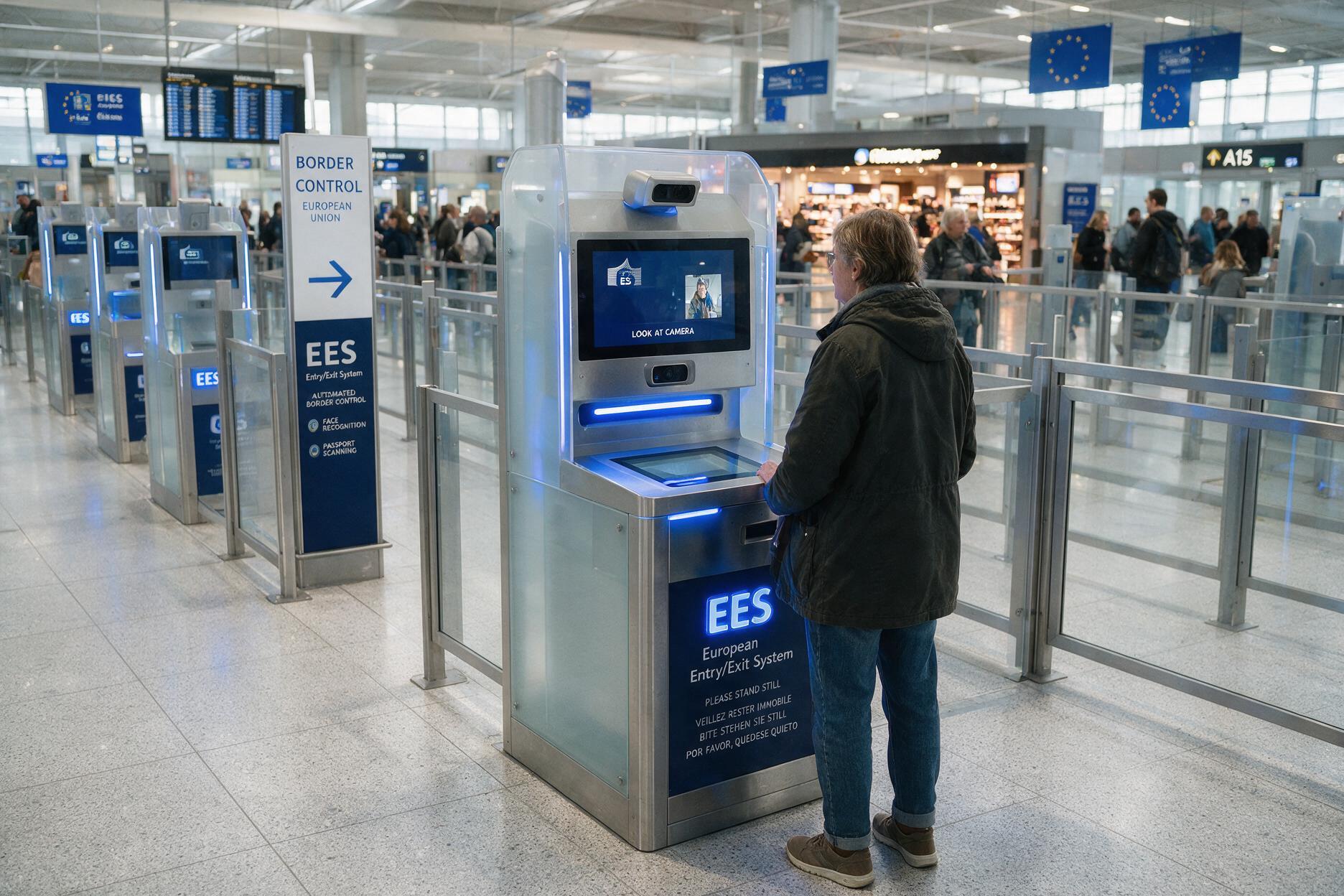
The practical effect for Indian travellers is twofold. First, border queues have been running long at some airports during the rollout — two to five hours at peak times in a few reported cases — so building in extra time at arrival, especially on a first trip through a busy hub like Paris or Frankfurt, is sensible. Second, and more relevant to the cascade regime conversation: EES makes overstay detection automatic. Where an extra day or two used to sometimes go unnoticed under manual stamping, the system now flags it immediately on exit. If your multi-year visa depends on a clean travel history, EES is the system that’s now actually enforcing “clean” with much less room for error than before.
What a Multi-Year Visa Is Actually Good For
This is the part most visa-guide content skips entirely, because most of it is written by services trying to get you through the application, not by anyone thinking about what you do once you have the visa. A two- or five-year multi-entry visa changes the shape of how you can plan Europe, not just whether you can go.
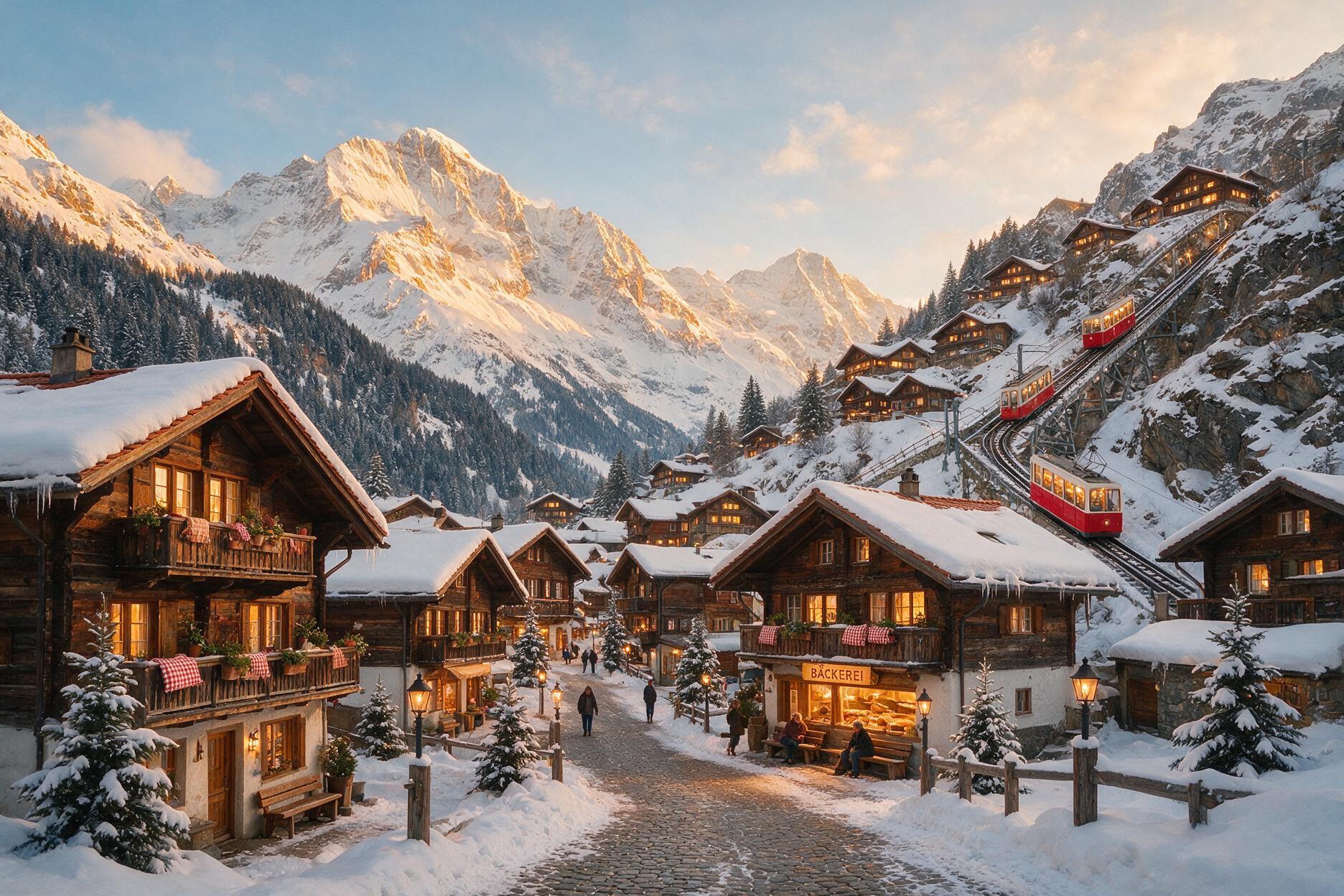
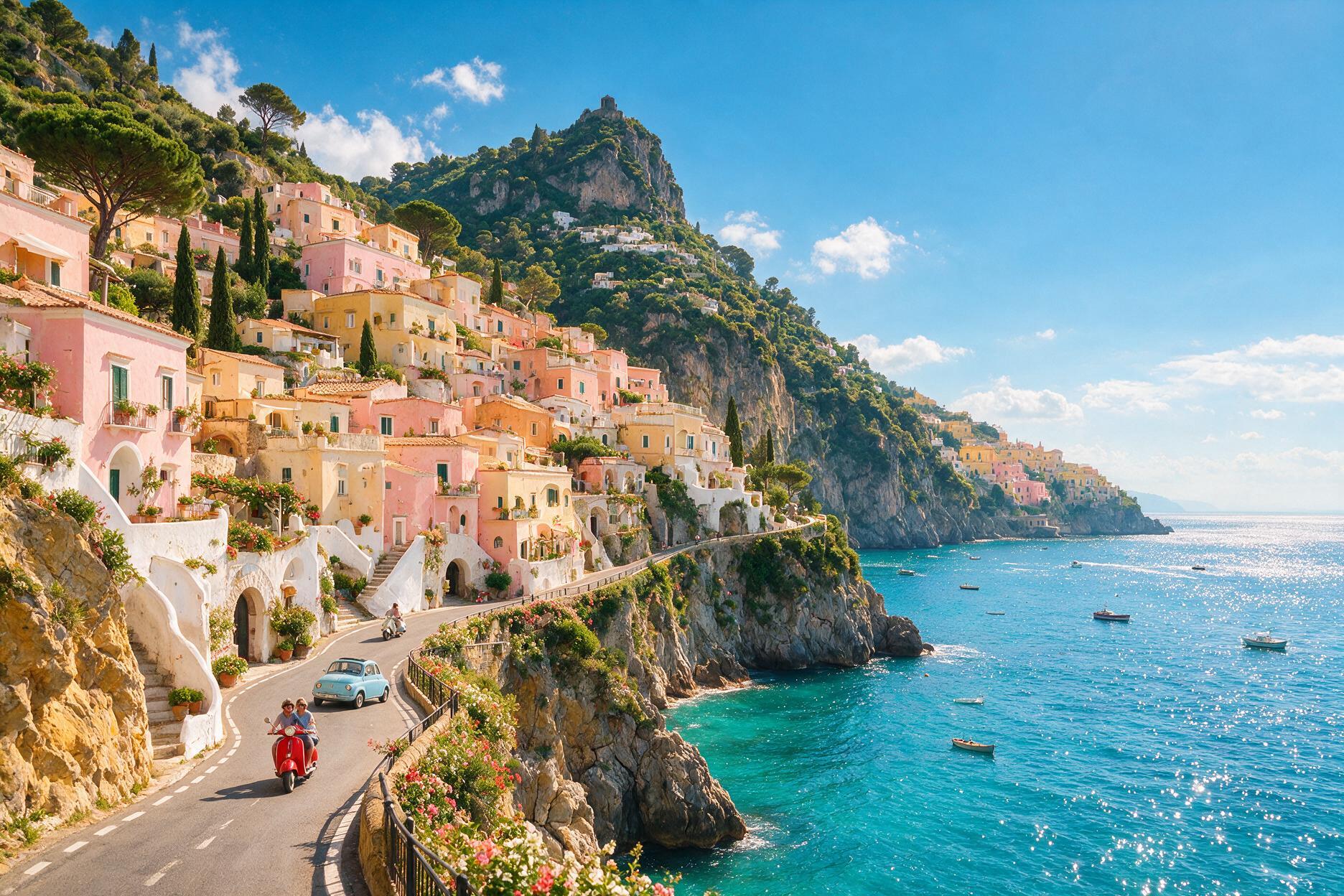
The obvious use is simply not having to reapply for a follow-up trip within the visa’s validity — but the more interesting shift is that it makes it genuinely practical to split Europe into separate, purpose-built trips instead of trying to cram everything into one two-week itinerary. A winter trip built around Switzerland’s Alps and a Christmas market circuit through Austria and Germany is a completely different kind of holiday from a summer Mediterranean trip through the Amalfi Coast and the Greek islands — and with a multi-year visa already in hand, there’s no reason to force both into a single, exhausting itinerary just because the visa process makes repeat applications feel like a hassle.
For families or couples who’ve already done the “first Europe trip” — London, Paris, Rome, the greatest-hits route — a multi-year visa is a real argument for the second trip being something more specific: a Provence-and-Tuscany food and wine route, a Norway fjords trip built around the northern lights season, or a slower, single-country deep dive into somewhere like Portugal that gets skipped on first-timer itineraries.
Best Time to Go
If flexibility is now genuinely on the table, shoulder season is worth planning around rather than defaulting to peak summer out of habit. Late April through June and September into early October both offer noticeably milder crowds at major sights — the Eiffel Tower, the Colosseum, Sagrada Família — along with meaningfully better flight and hotel pricing than July and August, and weather that’s comfortable for walking cities rather than punishing. Northern Europe runs warm and dry from roughly May through September, while southern Europe’s peak heat lands squarely in July and August — worth factoring in if a summer Mediterranean trip is one of the itineraries a multi-year visa opens up for you.
What a Trip Costs
Flights from India to Europe vary widely by route and season — non-stop fares to hubs like Paris, Frankfurt, or Zurich typically run ₹55,000–₹90,000 round-trip in economy, while one-stop routings through Istanbul or the Gulf can come in noticeably cheaper, sometimes ₹38,000–₹45,000 in off-peak windows. Booking a few months ahead rather than closer to travel dates is where the real savings show up, particularly for summer departures. A comfortable mid-range two-week, two-country trip — decent three- or four-star hotels, a mix of trains and the occasional guided day tour, proper meals — typically lands in the ₹1.5–2.5 lakh per person range including flights; building in more countries, private guiding, or higher-tier hotels moves that meaningfully upward.
A Mistake to Avoid
Don’t treat the two-year visa as a guarantee you can plan around before it’s actually issued. It’s tempting to book a second Europe trip’s flights the moment your first trip’s visa comes back approved, on the assumption the next one will obviously be smooth — but the cascade regime’s tiers are assessed fresh at each application, and consular discretion is real. Apply for the next visa with the same care as the first one, and hold off on non-refundable bookings until it’s actually in hand, especially if there’s anything even slightly irregular in your first trip’s paperwork.
FAQs
What is the Schengen Cascade Regime? It’s a set of rules, adopted by the EU specifically for Indian nationals in April 2024, that issue progressively longer multi-entry visas based on travel history — a two-year visa after two lawfully used Schengen visas within three years, followed by a five-year visa if eligibility continues and passport validity allows.
Is the 5-year Schengen visa automatic for Indians? No. It typically follows the two-year visa if your travel history stays clean, but it’s assessed by the consulate each time, not issued automatically. Overstays or inconsistent documentation can reset the process.
How much does a Schengen visa cost from India in 2026? The base fee is around €80–90 (roughly ₹7,000–7,500), but total costs including VFS service charges, processing fees, and mandatory insurance typically run ₹11,000–23,000 per adult depending on the consulate and add-ons chosen.
How long does Schengen visa processing take in 2026? Standard processing is 10–15 working days, but this can extend to 30–45 days during peak summer months (May–August), so applying 4–6 weeks ahead of travel is worth building into your planning.
What is the EES and does it affect Indian travellers? The Entry/Exit System is the EU’s new automated biometric border-registration system, fully operational since April 2026 across all 29 Schengen countries. It replaces manual passport stamping and automatically detects overstays, which makes maintaining a clean travel history more important than ever if you’re hoping to qualify for a multi-year visa.
Do I need a fresh visa for every Europe trip if I already have a multi-entry visa? No — that’s the entire point of the cascade regime. A valid multi-entry visa covers multiple trips within its validity window, without a fresh application each time, provided each individual stay still respects the Schengen area’s 90-days-in-any-180-days rule.
Final Word
The cascade regime doesn’t make Europe visa-free, and it’s not the instant five-year pass some headlines make it sound like. What it actually does is quietly reward the travellers who’ve already done Europe once or twice responsibly, by making the third and fourth trips genuinely less friction than the first two. If Europe was already on the list for a repeat visit, this is a reasonable moment to check your own visa history and see where you actually stand.
Thinking about what a second or third Europe trip could look like — Alps in winter, Mediterranean in summer, or a slower single-country route? Get Tripped’s Europe packages cover all of the above, with the visa paperwork guided alongside the itinerary rather than left for you to figure out separately.