
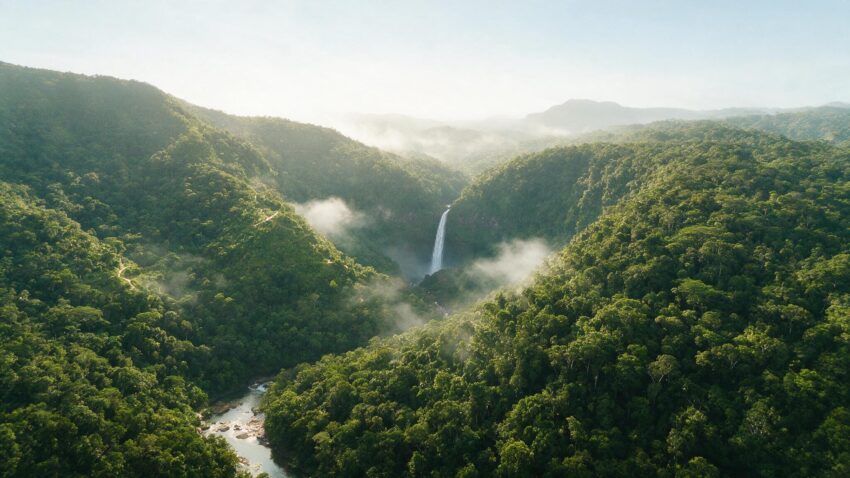
Every Mauritius photo that lands in your feed is the same twenty metres of beach — the infinity pool edge, the overwater villa, the one stretch of Trou aux Biches sand that every influencer seems to have visited on the same Tuesday. It’s a genuinely beautiful twenty metres. It’s also maybe fifteen percent of what the island actually is, and the part that gets left out is the more interesting fifteen percent’s worth of gorges, waterfalls, and a second island three hours offshore that most resort-only visitors never hear mentioned.
Mauritius earns its honeymoon-brochure reputation honestly — the beaches are real, the water really is that colour. But if you’re going anyway, and especially if you’ve been to a beach resort before and know the format, it’s worth carving out two or three days for the version of Mauritius that isn’t built around a swim-up bar. Here’s where that is, and what it actually takes to get there.
Table of Contents
- Visa and getting there from India
- When to go
- Black River Gorges: the island’s wild interior
- Chamarel: coloured earth and a waterfall without the crowd
- Tamarind Falls: seven waterfalls, one hike
- Ile aux Aigrettes: the island’s last untouched forest
- Rodrigues: an entirely different island, 45 minutes away
- The wild south coast: Gris Gris and Le Souffleur
- Where to stay if you want both worlds
- Money, SIMs, and getting around
- Mistakes worth avoiding
- FAQs
Visa and getting there from India
This is one of the easier long-haul trips to plan on paperwork alone: Indian passport holders don’t need a pre-arranged visa for tourism. You get up to 60 days on arrival, extendable in-country up to six months total per calendar year if you genuinely fall in love with the place. The catch that trips people up isn’t the visa — it’s the Mauritius All-in-One Travel Digital Form, a free online form covering immigration, customs, and health declarations that has to be filed within 72 hours of arrival. Do it from your hotel room the night before you land, not at the airport counter. You’ll also want a printed or digital copy of your return ticket and proof of accommodation, since immigration does check.
Direct flights from Mumbai and Delhi run in the neighbourhood of ₹25,000–35,000 round-trip if you book a few weeks ahead, with journey times of roughly six to seven hours depending on the route.
When to go
Skip January through March if you can — that’s cyclone season, and even when a storm doesn’t hit directly, the humidity and rain make the interior hikes this piece is built around genuinely unpleasant and sometimes closed. May through November is the dry season and the better call all around: lower humidity, more sun, and June through October doubles as whale-watching season off the west coast. July and August bring some wind to the east and south coasts, which matters if you’re planning on calm-water swimming there specifically, but doesn’t affect the gorges or Chamarel at all. December and April are a fair middle ground if the dry-season dates don’t work with your calendar.
Black River Gorges: the island’s wild interior
This is the biggest surprise for most first-time visitors: Mauritius has a genuine rainforest interior, and Black River Gorges National Park protects most of it. Entry is free, which on an island where everything else seems to come with a price tag attached feels almost like a mistake. Multiple hiking trails cut through the park, ranging from an easy hour-long loop to a full-day trek, and the payoff on the longer routes includes viewpoints over the gorge itself and a real chance of spotting the Mauritian flying fox, an endemic fruit bat that’s oddly charming once you get past the name. Go in the morning — the humidity builds through the day, and the light through the canopy is better before noon anyway.
Chamarel: coloured earth and a waterfall without the crowd
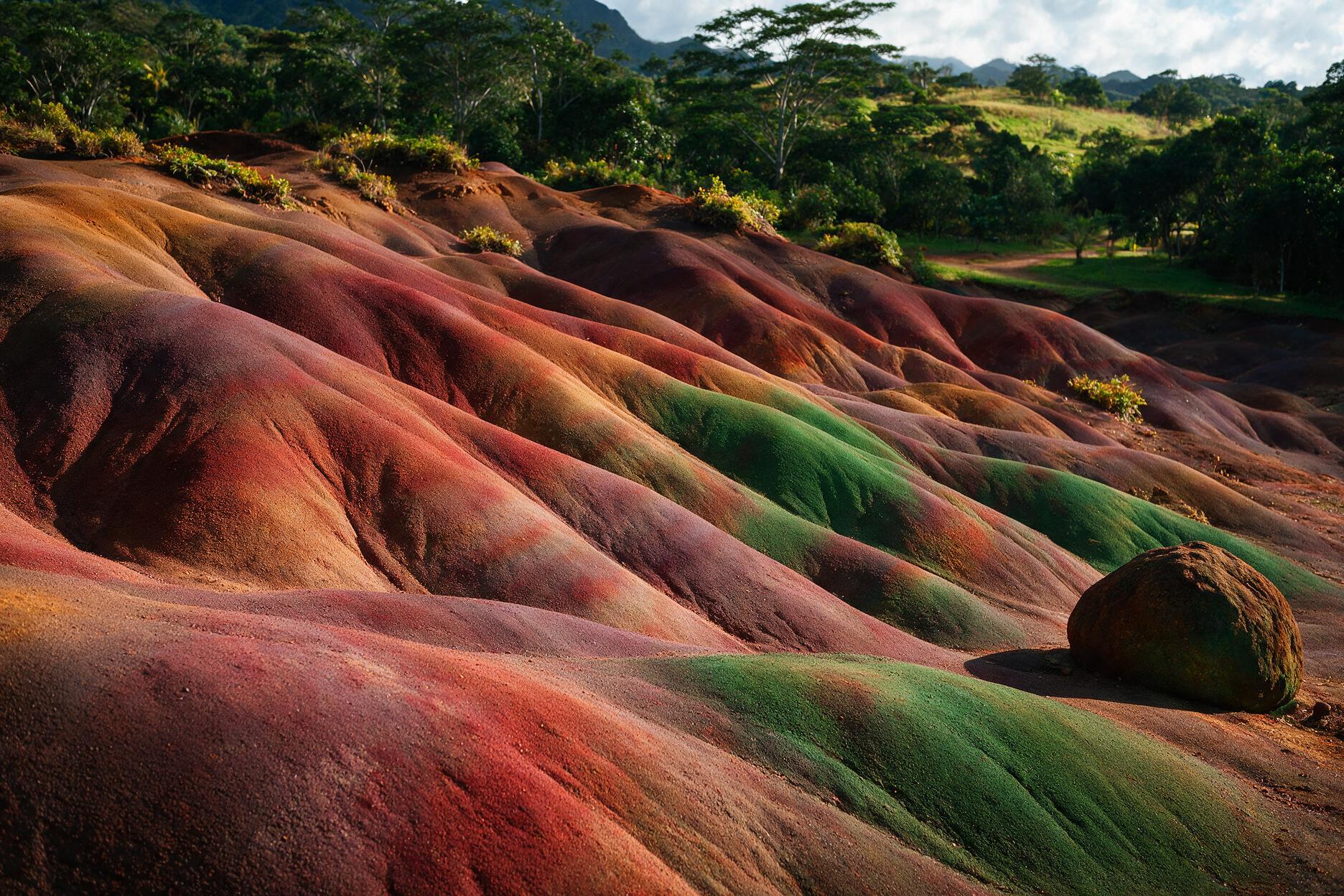
Chamarel village is best known for its Seven Coloured Earths — dunes of volcanic soil that settle into bands of red, brown, and purple from mineral oxidation, which sounds like a gimmick until you’re standing in front of it. It draws a steady stream of day-trippers, so it’s not exactly a secret, but most of them come for the dunes alone and skip the waterfall a short walk away: Chamarel Falls drops about 100 metres in a single sheet, and the viewing platform gets a fraction of the visitors the coloured earths do. Go for both, but budget your patience for the dunes in the late morning when tour buses cluster, and save the waterfall viewpoint for whenever the crowd thins out.
Tamarind Falls: seven waterfalls, one hike
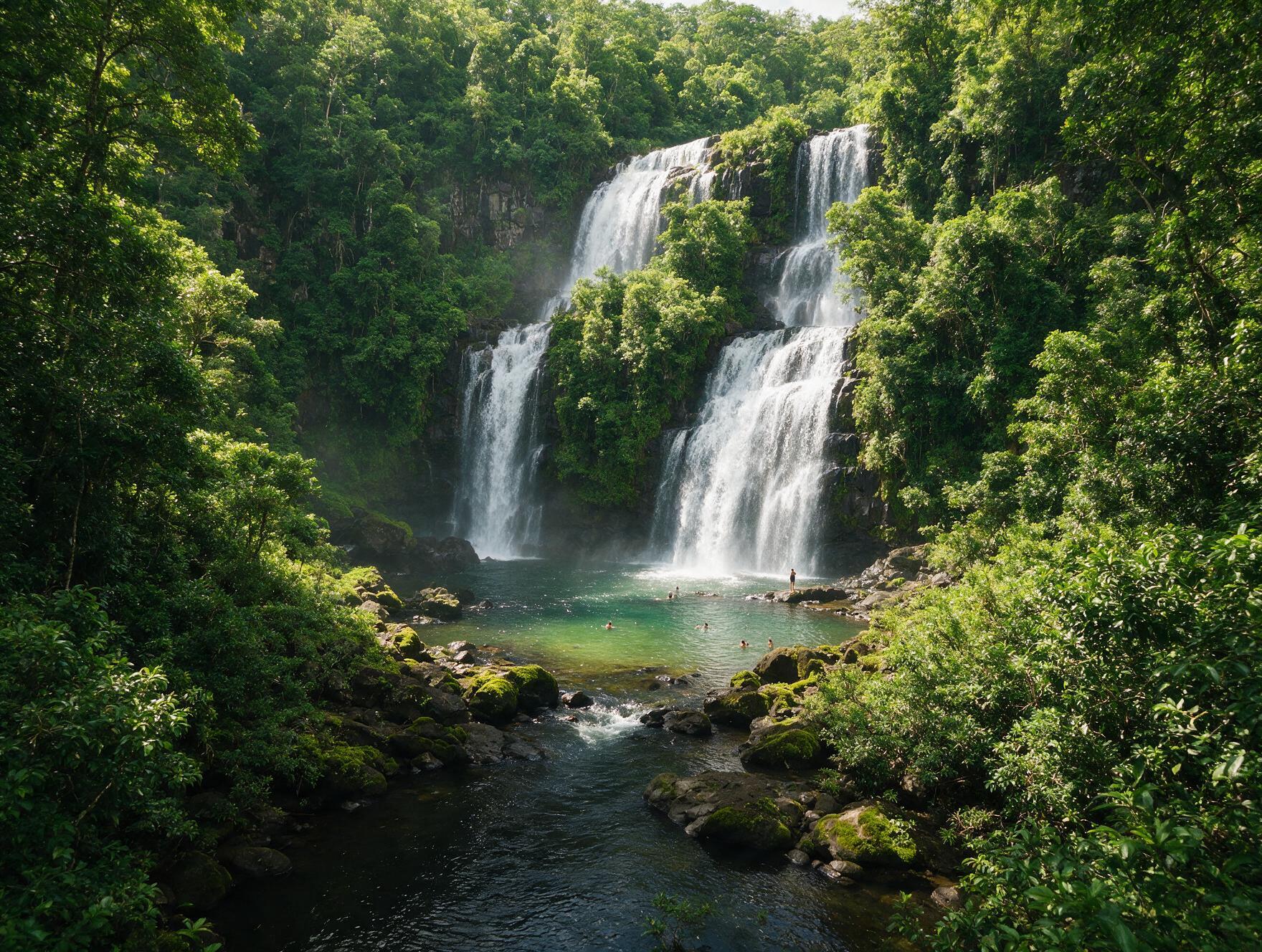
This is the one I’d actually call a hidden gem rather than just an under-visited official sight. Tamarind Falls is a series of seven cascading waterfalls through forest terrain, most reached only by a guided hike since some sections require basic scrambling and local knowledge of safe swimming pools versus the ones with dangerous currents underneath the surface calm. A local guide isn’t optional caution here — it’s genuinely how you find the good pools, and it’s the kind of half-day activity a private guide can build entirely around your fitness level, whether that’s the two most accessible falls or the full seven-fall route.
Ile aux Aigrettes: the island’s last untouched forest
A short boat ride off the southeast coast, Ile aux Aigrettes is a small nature reserve preserving one of the last remnants of the coastal forest that used to cover the whole island before sugarcane plantations took over. Guided tours (booking ahead is worth it, since group sizes are kept small) bring you close to the pink pigeon, a conservation success story that was down to a handful of birds decades ago, plus giant Aldabra tortoises reintroduced to fill the ecological role Mauritius’s own extinct giant tortoises used to play. It’s a quiet, unhurried couple of hours, and a good counterpoint if you’ve spent the morning on a more strenuous hike.
Rodrigues: an entirely different island, 45 minutes away
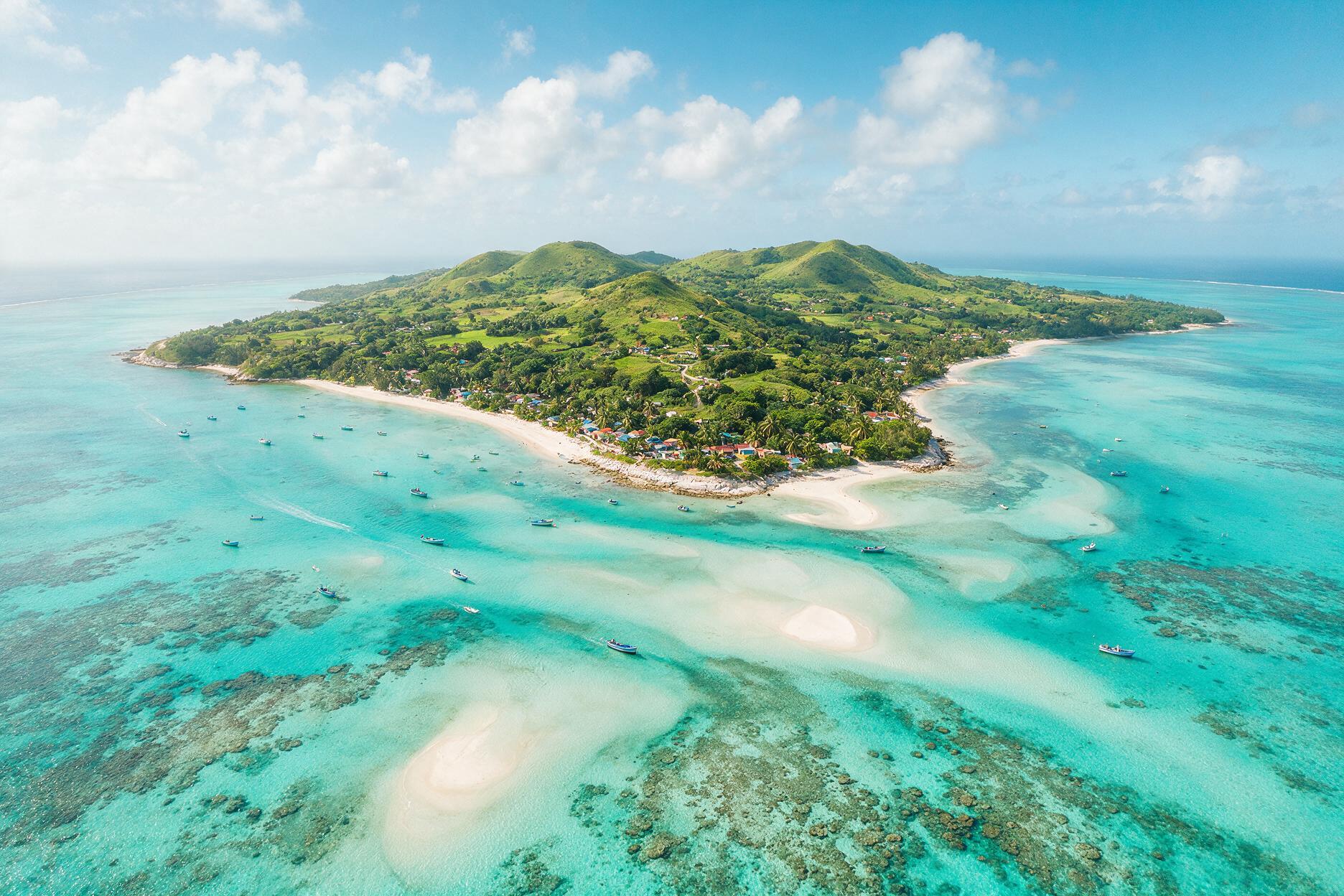
Here’s the one most Mauritius guides genuinely undersell. Rodrigues is a separate, much smaller island roughly 600 kilometres east, reachable by a short domestic flight of well under an hour from Mauritius, with fares that are modest against what you’ve already spent getting to the region. It’s slower, less developed, and noticeably less touristed than the main island — think small guesthouses over resort chains, and a lagoon so calm and shallow in places you can wade out a genuinely long way. The François Leguat Reserve here does its own giant-tortoise conservation work, and the diving and kitesurfing scene is a quieter, cheaper version of what you’d pay resort rates for back on the main island. If you have five or more days total in Mauritius, giving Rodrigues an overnight or two is the single best way to see a version of the region almost nobody else posts about.
The wild south coast: Gris Gris and Le Souffleur
The south coast is where Mauritius stops looking like the brochure and starts looking like an actual coastline — dramatic, a bit wild, unswimmable in most spots, and much less crowded because of it. Gris Gris beach faces open ocean with real waves and cliffside views rather than the calm lagoon water the north and west are known for. A short distance along, Le Souffleur is a natural blowhole where waves crash up through a rock formation with enough force to be worth timing your visit around higher tide. Neither charges an entry fee, and neither shows up in the standard resort-brochure rotation, which is exactly the point.
Where to stay if you want both worlds
You don’t have to choose entirely between beach and interior. A common and sensible pattern: base yourself at a mid-range or upscale resort on the west or north coast (Flic en Flac and Grand Baie both work well) for four or five nights of beach time, then break away for two nights inland near Chamarel or the Black River area, where a handful of boutique eco-lodges and small guesthouses put you within a short drive of the gorges, Tamarind Falls, and Chamarel itself, rather than adding an hour of driving to every excursion.
Money, SIMs, and getting around
Cards are widely accepted at resorts and larger restaurants, but carry Mauritian rupees for the smaller guesthouses, local eateries, and market stalls, especially once you’re away from the main tourist coast. eSIMs work well here and are the easiest way to get connected straight off the plane. A rental car is genuinely the best way to reach the interior sights at your own pace, since public transport to Chamarel or the gorges involves long, indirect routes; if you’d rather not navigate unfamiliar mountain roads yourself, a private driver for the day is a reasonable and not particularly expensive alternative.
Who should prioritise which parts
Honeymooners and couples get the most out of pairing a west-coast resort stretch with the Chamarel/gorges overnight described above — it breaks up the trip without sacrificing the beach days that are, fairly, a big part of why you’re there. Families with older kids will find Ile aux Aigrettes and the gentler Black River Gorges trails genuinely engaging rather than a chore, though the fuller Tamarind Falls hike is better suited to teens and up given the scrambling involved. Solo travellers and luxury travellers alike should look hardest at Rodrigues — it’s an easy, low-effort add-on flight, and a couple of small high-end guesthouses there now offer a quieter, more personal version of the luxury experience than the bigger resort brands back on the main island.
Mistakes worth avoiding
The big one: booking a resort stay and never leaving the property, which is easy to do given how good Mauritius’s all-inclusive resorts are at keeping you there. If a friend asked me what to skip, I’d say don’t skip Black River Gorges specifically — it’s free, it’s a short drive from most west-coast resorts, and it’s the single biggest gap between what people expect Mauritius to look like and what it actually looks like once you’re ten minutes past the coastline. The second mistake is swimming at Tamarind Falls without a guide; the pools that look calm from above aren’t all safe, and this is exactly the kind of local knowledge worth paying for rather than guessing at.
FAQs
Do Indians need a visa for Mauritius?
No visa is required for tourism — Indian passport holders get up to 60 days on arrival. You do need to complete the free Mauritius Travel Digital Form online within 72 hours before landing.
Is Black River Gorges National Park free to enter?
Yes, entry is free. Guided hikes cost extra if you book one, which is worth it for the longer routes, but you can also walk the shorter trails independently at no cost.
How do you get to Rodrigues Island?
By a short domestic flight from Mauritius, generally under an hour, operated a few times daily. It’s a straightforward add-on if you have five or more days total for the trip.
What’s the best time to visit Mauritius?
May through November, the dry season, is best overall. Avoid January to March if possible — that’s cyclone season, and rain can close some of the interior hiking trails described here.
Is it safe to swim at Tamarind Falls?
Some of the pools are safe and some aren’t, and it’s genuinely hard to tell which from the surface. Go with a local guide rather than attempting the full route independently.
Can you visit Chamarel and Black River Gorges in one day?
Yes, they’re close enough together to combine, especially with a private driver or rental car. Go to the gorges first thing in the morning, then Chamarel’s coloured earths and waterfall in the early afternoon before the day-tripper crowds peak.
The takeaway
Mauritius doesn’t need you to skip the beach — the lagoon water really is worth the trip on its own. But the resort-only version of this island leaves out the gorges, the waterfalls, a wild south coast, and an entire second island most visitors never hear about, and that’s the more interesting half of the story. Give it three extra days beyond the beach chair and you’ll leave with a version of Mauritius that doesn’t look like everyone else’s photos.
If you’d rather have the guide for Tamarind Falls, the Rodrigues flight, and the inland stay all arranged before you land instead of figuring it out from a beach lounger, that’s exactly the kind of itinerary Get Tripped builds for Mauritius — get in touch and we’ll balance the beach days with the ones that actually make this trip memorable.