
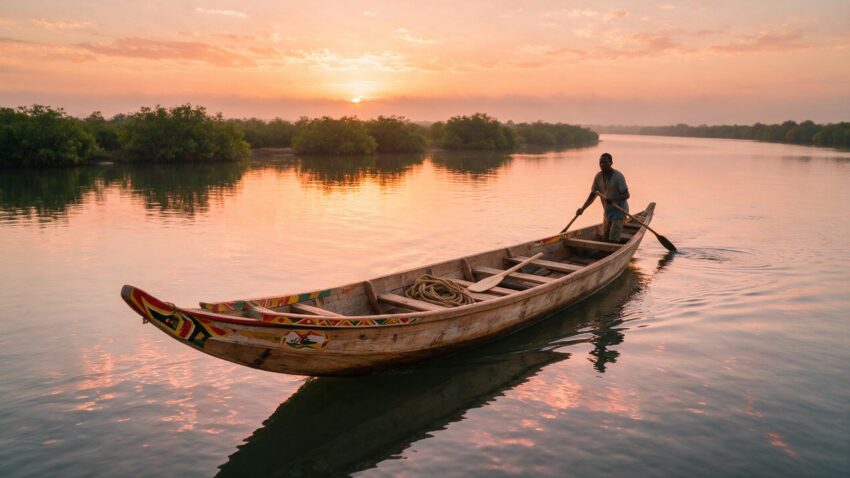
In February 2026, The Gambia quietly reinstated visa-free entry for Indian passport holders — a policy that had briefly existed a few years ago, lapsed, and has now come back with a 90-day allowance and no prior approval needed. Most Indian travelers didn’t notice, because most Indian travelers have never seriously considered The Gambia. That’s the gap this piece is for. It’s West Africa’s smallest mainland country, a sliver of land wrapped around a single river, and it happens to have some of the best small-scale luxury lodges and birdlife-dense wilderness on the continent — without the crowds or the six-figure safari price tag people associate with East and Southern Africa.
This isn’t a backpacker detour. Think boutique floating lodges on the Gambia River, private pirogue excursions at golden hour, a UNESCO island tied to the story told in Alex Haley’s Roots, and a stretch of Atlantic coastline locals call the Smiling Coast for a reason that becomes obvious about ten minutes after you land. Here’s what changed with the visa, and everything else you need to actually plan the trip.
Table of Contents
- Why The Gambia, Why Now
- The New Visa Rule, Explained
- Best Time to Visit
- Getting There From India
- Where to Stay
- A Sample 6-Day Itinerary
- What It Actually Costs
- Food in The Gambia
- Culture and Etiquette
- Safety Notes
- SIM, Connectivity and Payments
- Five Places Worth the Detour
- FAQs
- Final Word
Why The Gambia, Why Now
The Gambia is a strange shape on a map — a narrow strip of land that follows the Gambia River inland for about 300 kilometers, entirely surrounded by Senegal except for its short Atlantic coast. That geography is the whole point of visiting. Almost everything worth doing here happens either on the river or within a short drive of it: mangrove creeks thick with kingfishers, gallery forest where Western Red Colobus monkeys move through the canopy, fishing villages that still run on the tide.
Tourism here has historically leaned British and Scandinavian — charter flights from London and Manchester, package resorts on the coast dating back decades. Indian travelers have essentially never been part of that picture, partly because there was no easy visa route and partly because it just wasn’t on the radar. The visa change doesn’t invent a new destination out of nothing; it removes the one real barrier that was keeping a genuinely interesting, still-uncrowded country off the list. That combination — new access, low competition for the good lodges and guides, dry-season weather about to peak — is why this is worth writing about now rather than waiting for the destination to catch up with everyone else.
The New Visa Rule, Explained
Here’s the part that’s actually news. As of February 2026, The Gambia allows Indian passport holders to enter visa-free for tourism and short-stay business purposes, for up to 90 days, with no prior visa application or approval required. This reinstates an earlier visa-exemption arrangement between the two countries that had lapsed — India and The Gambia had ratified a visa exemption agreement back in 2022, and the February 2026 move effectively brings it back into force. It’s part of a broader run of changes to India’s visa-free access this year: India lost visa-free entry to Iran in late 2025 and Bolivia moved to an e-visa system in January 2026, and The Gambia’s reinstatement in February partially offset that, taking India’s visa-free destination count to 56.
In practice, that means at immigration in Banjul you’ll be asked for the same things any visa-free arrival needs: a passport valid well beyond your stay, proof of onward or return travel, and evidence you can support yourself for the trip (a hotel booking is usually enough). No transit visa is required either if you’re routing through Banjul, though the usual entry rules apply the moment you leave the international zone.
One honest caveat: visa policies for smaller destinations like this can and do shift with little warning — this is genuinely how the previous arrangement lapsed in the first place. Before you book anything, check the current requirement directly on the Gambian Ministry of Tourism and Culture site or with the Indian High Commission covering West Africa (Dakar handles Gambia consular matters), rather than relying on any single blog post, including this one, as the final word months from now.
Best Time to Visit
The dry season runs roughly mid-October to early June, and within that window, October through December is the sweet spot — migratory birds have just arrived from Europe, the wetlands are still full from the rains, and the sky is reliably clear. January through April brings the harmattan, a dry, dusty wind off the Sahara that hazes the horizon and can dull your photos, though temperatures are comfortable and everything stays accessible. May and June are a decent shoulder season: fewer tourists, still dry, starting to warm up before the rains arrive.
Skip July through September if you can. The rainy season turns unpaved roads to the interior into a genuine problem, humidity climbs, and mosquito activity — and with it, malaria risk — goes up noticeably. If birdwatching is your main draw, book for November or December specifically; that’s when The Gambia’s reputation as one of West Africa’s best birding destinations (over 560 recorded species in a country roughly the size of Kerala’s northern half) actually delivers.
Getting There From India
There’s no honest way to sell this as a quick hop — there’s no direct flight from India, and there won’t be one soon given the size of the market. Every route from Delhi or Mumbai to Banjul (BJL) involves at least one connection, and you should plan on 14 to 20+ hours of total travel time depending on layovers.
The most direct-feeling option is Royal Air Maroc via Casablanca: RAM flies Delhi–Casablanca and Mumbai–Casablanca, and separately operates a nonstop Casablanca–Banjul leg about four times a week (roughly 3 hours 35 minutes) on 737s. If your Casablanca connection lines up with one of those Banjul departures, this is a workable one-stop routing rather than the two-stop slog it can otherwise turn into. The other realistic options are Turkish Airlines via Istanbul, a Gulf hub like Dubai paired with a European or West African onward carrier, or Brussels Airlines, which has historically served Banjul. Routings on the smaller West Africa legs change more often than the India-hub legs, so verify at booking time rather than trusting an old itinerary you found online.
Expect round-trip economy fares roughly ₹65,000–₹1,10,000 depending on route, season, and how far out you book, with the Casablanca routing often landing at the lower end during RAM fare sales. Business class jumps substantially, as it does on most thin long-haul routes with limited competition. Book the India-to-hub and hub-to-Banjul legs together where the itinerary allows it, so a delay on the first leg doesn’t strand you on the second.
Mistake to avoid: don’t book a connection under 2 hours at Casablanca or Istanbul in peak season — both handle heavy transfer traffic, and immigration re-screening can eat 45 minutes before you’ve found your gate.
Where to Stay
The coast around Banjul — Kololi, Kotu, Bijilo — has the conventional resort hotels, and a few are perfectly comfortable for a couple of nights to recover from the flight. But the properties actually worth planning a trip around are inland, on the river.
Mandina Lodges, set inside the Makasutu Culture Forest, is the standout example of what “premium Gambia” looks like: nine lodges total, four of them floating directly on a river creek, solar-powered, no light pollution, mornings that start with coffee delivered by canoe and the sound of hornbills instead of traffic. It’s eco-luxury in the real sense — simple, well-built, and entirely about the setting rather than a marble-lobby version of luxury. Rooms here run at true boutique pricing, and you should book well ahead in the November–February peak.
Further along the river, smaller riverside lodges near Lamin and Bintang offer a similar idea at a gentler price point — stilted or waterfront rooms, guided canoe trips included, mangrove views from the veranda. For couples or a honeymoon-adjacent trip, a split stay — two nights coastal, three or four nights on the river — gives you both the settle-in comfort and the actual reason to have come.
Families should note that river lodges vary a lot in how child-friendly the layout is (some floating rooms have minimal railings), so ask directly before booking if you’re traveling with young kids — a coastal resort with a pool might suit the first and last nights better, with river excursions as day trips instead of overnight stays.
A Sample 6-Day Itinerary
Day 1 — Arrival, coast. Land in Banjul, transfer to a coastal hotel in Kololi or Kotu (35–45 minutes). Short walk on the beach at sunset, early night after the flight.
Day 2 — Abuko Nature Reserve and Lamin Lodge. Abuko is compact — about 90 minutes on well-maintained paths gets you past crocodile pools, vervet and red colobus monkeys, and an astonishing density of birdlife for such a small reserve, plus a rescue center at the end housing hyenas and vultures. Follow it with lunch at a stilted riverside restaurant on the mangrove creek nearby — order whatever the day’s river catch is.
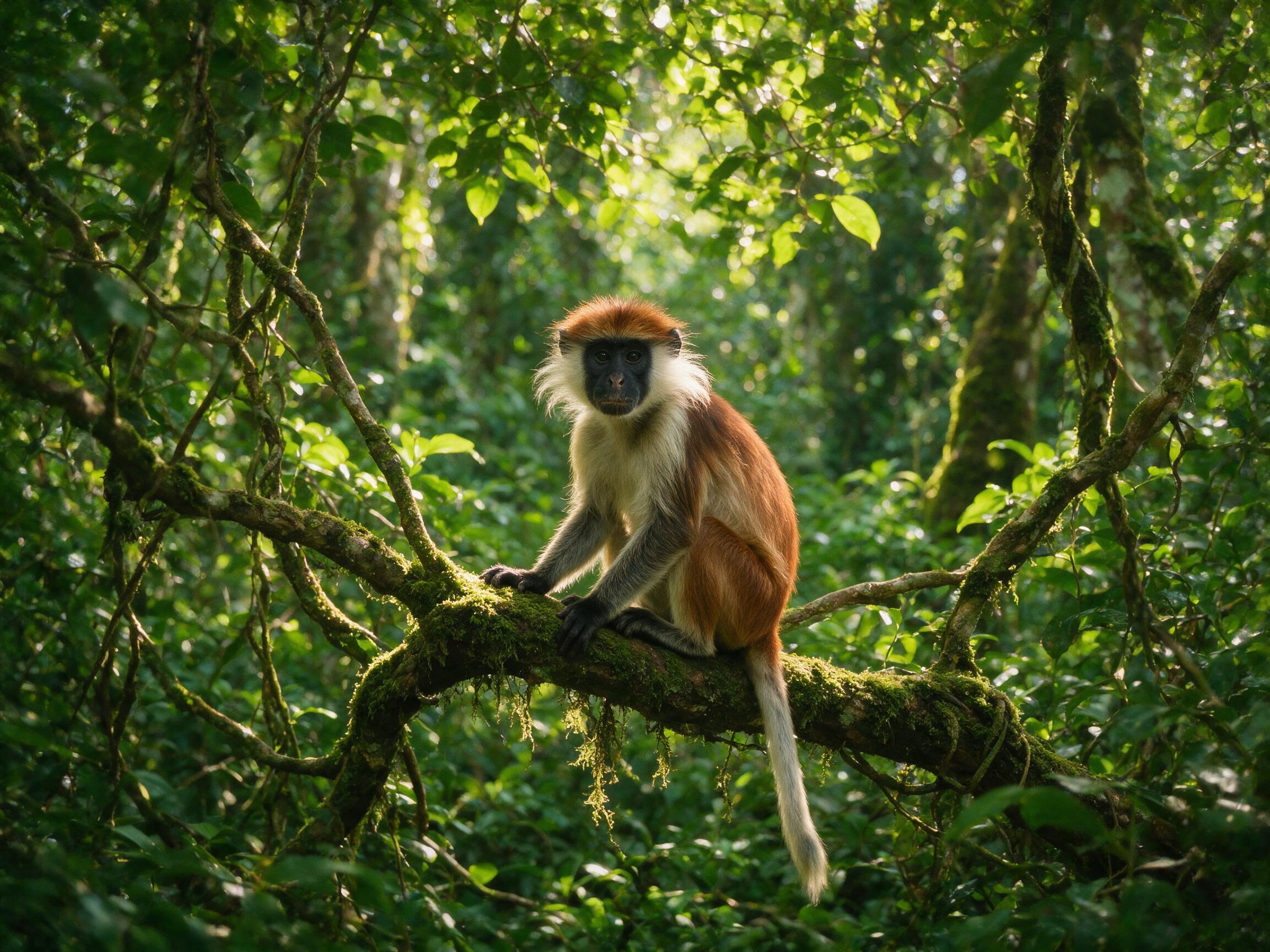
Day 3 — Transfer to Makasutu / the river. Move inland to a river lodge. Afternoon canoe trip through the mangroves, watching kingfishers and fish eagles at close range. This is where the trip actually starts to feel different from anywhere else you’ve traveled.
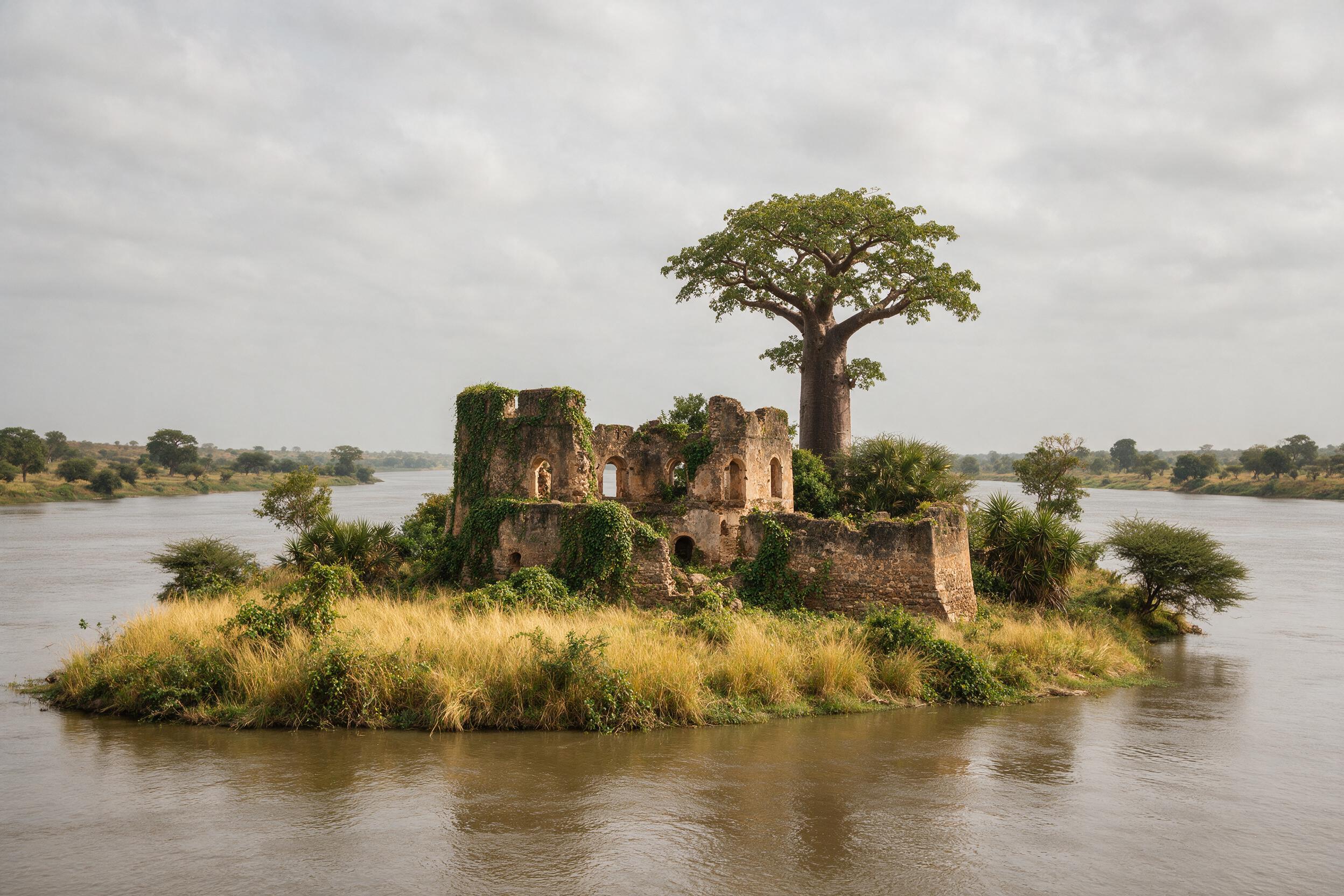
Day 4 — Kunta Kinteh Island and Juffureh. A boat trip upriver to Kunta Kinteh Island (formerly James Island), a UNESCO World Heritage Site tied to the transatlantic slave trade and made globally known through Alex Haley’s Roots. It’s a small, weathered ruin in the middle of the river — sobering rather than spectacular, and worth going with a guide who can actually explain what you’re looking at, because the site itself gives you very little without context. Combine with a stop in nearby Juffureh village.
Day 5 — Full-day river excursion. A longer pirogue trip further upriver or along a tributary like Bintang Bolong — birdwatching, a village stop, lunch on board with fresh shrimp or fish, hours of nothing but water, mangroves, and the occasional dugout canoe passing the other way.
Day 6 — Tanji fish market and departure. Morning at Tanji fishing village — genuinely one of the more overwhelming sensory experiences you’ll have in West Africa, in a good way: the smell of the day’s catch, women loading fish onto wheelbarrows, the noise of gulls and haggling. Ask before photographing people directly. Transfer back to the airport for your onward flight.
Add two or three days and you can extend inland toward Georgetown/Janjanbureh on Baboon Island, or cross into Senegal for Dakar — though check the current security situation near the Casamance border before planning that leg.
What It Actually Costs
The Gambia is inexpensive by global standards, which works in your favor for a premium trip — you get outsized value at the boutique end rather than needing to stretch a mid-range budget. Rough per-person, per-day figures excluding international flights:
- Mid-range: ₹8,000–₹15,000/day — comfortable coastal or river lodge, private guided excursions, restaurant meals, a driver for transfers.
- Luxury: ₹18,000–₹35,000+/day — floating lodges like Mandina, private boat charters, a dedicated guide for the full stay, better wine and dining.
Entry to sites like Abuko Nature Reserve and Kunta Kinteh Island runs a few hundred to low thousands of rupees per person; private guided river excursions typically land around ₹3,000–₹8,000 per person for a half or full day, depending on boat size and inclusions. Domestic transfers by private car are cheap relative to the distances involved — Banjul to Makasutu is under an hour.
Smart-spending tip: book your river lodge and guided excursions as a package directly through the lodge rather than piecing together day tours separately once you arrive — most of the good riverside properties include or heavily discount canoe trips and village visits for guests, and it’s meaningfully cheaper than paying a coastal tour operator for the same thing as an add-on excursion.
Food in The Gambia
Gambian food runs on rice, fish, groundnuts (peanuts), and slow-cooked stews, with clear Senegalese overlap given the shared geography. Domoda — a rich peanut stew usually with fish or meat, served over rice — is the dish to try first, and it’s the one that best explains the flavor profile of everything else on the table. Benachin (a one-pot rice dish similar to Senegalese jollof) and grilled river or ocean fish, often simply prepared with lime and chili, are the other staples worth ordering. Riverside lodges tend to serve whatever the day’s catch is, which is usually the best thing on the menu regardless of what else is listed.
Fresh fruit — mango, papaya, baobab fruit juice (locally called wonjo when made from hibiscus, or bouye from baobab) — is everywhere in season and worth seeking out over bottled soft drinks. Cooking classes are offered at several lodges and through independent guides in Tanji and along the coast, and they’re a genuinely good way to spend half a day if you want more than a meal out of the food side of the trip.
Culture and Etiquette
The Gambia is majority Muslim, with meaningful Christian and traditional-belief minorities, and daily life reflects that mix comfortably. Dress modestly away from resort pools and beaches — shoulders and knees covered is a safe default in villages, markets, and religious sites. Always ask before photographing people directly; at a place like Tanji fish market it’s tempting to shoot everything in sight, but a quick gesture and a nod goes a long way and is usually met with a smile rather than a refusal.
Greetings matter more here than in a lot of destinations Indian travelers are used to — a brief “how are you, how is your family” before getting to business, even for a two-minute market transaction, is normal and appreciated. Tipping guides and lodge staff directly, rather than assuming it’s built into a package rate, is standard practice here.
Fun fact: The Gambia is Africa’s smallest mainland country by area, and its shape — a narrow strip rarely more than 50 kilometers wide, hugging the river for its entire length — was set by 19th-century British and French colonial boundary negotiations rather than any natural or ethnic divide, which is why it sits entirely surrounded by Senegal except for its Atlantic coastline.
Safety Notes
The Gambia generally sits at an “exercise increased caution” level on most Western government advisories, similar to plenty of destinations Indian travelers already visit comfortably. The two practical concerns: petty street crime (bag snatching, opportunistic theft) in Banjul and busy tourist areas, and occasional unrest in the Casamance region of southern Senegal near the border. Neither is a reason to skip the country, but both are reasons to use a private driver/guide, keep valuables in the lodge safe, and skip independent travel right up against the Senegal border.
Health-wise, malaria risk exists year-round and rises in the rainy season, so anti-malarial prophylaxis and mosquito precautions are standard advice — talk to a travel clinic before you go. Yellow fever vaccination requirements can apply depending on your travel history and current entry rules, so check this separately from your visa research; it’s easy to overlook. Healthcare infrastructure outside the main coastal area is limited, so comprehensive travel insurance with medical evacuation cover is worth the cost here.
SIM, Connectivity and Payments
The Gambian Dalasi (GMD) is a closed currency — you can’t buy it outside the country, so plan to carry USD or Euros in cash to exchange on arrival, or withdraw dalasi from ATMs (Standard Chartered, Ecobank, and Access Bank branches are reliable) once you land. Visa and Mastercard are accepted at bigger hotels and resorts; smaller lodges, markets, and most transport run on cash only, so keep a stock of dalasi for the river/interior legs of your trip where cards won’t help you at all.
For connectivity, Africell is the most widely used network with the best tourist-area coverage, and a physical SIM (needs your passport to register) costs next to nothing — data bundles are cheap by Indian standards too. eSIMs are available through international providers if you’d rather set things up before you land, though coverage away from the coast and main river towns can still drop out, which is honestly part of the appeal if you’re going for the river lodges specifically — don’t expect to be reachable every hour once you’re out on a canoe trip.
Five Places Worth the Detour
1. Bintang Bolong. A tributary of the Gambia River that most first-time visitors skip in favor of the more famous stretch near Kunta Kinteh Island — quieter, thick with mangroves, and a good bet if you want the river experience without other tour boats in your photos.
2. Kartong Wetlands. A community-run reserve near the Senegal border, less visited than Abuko, with strong birdwatching (kingfishers, herons, occasionally crocodiles) and a genuinely local, low-tourism feel.
3. Lamin Lodge for lunch. A stilted restaurant over a mangrove creek, reachable by a long wooden bridge — order whatever fish came in that morning and expect a monkey or two to show interest in your table.
4. Kubuneh village. A traditional Mandinka village accessible from the Makasutu area, worth a guided visit for a look at daily life away from any tourist infrastructure — go with a lodge guide who has an existing relationship with the community rather than showing up independently.
5. Sanyang Beach. Further south than the main Kololi/Kotu strip, with far fewer resorts and a genuinely wide, quiet stretch of sand — good for an afternoon away from the busier coastal towns, and a solid alternative if the main beach areas feel too developed for what you came for.
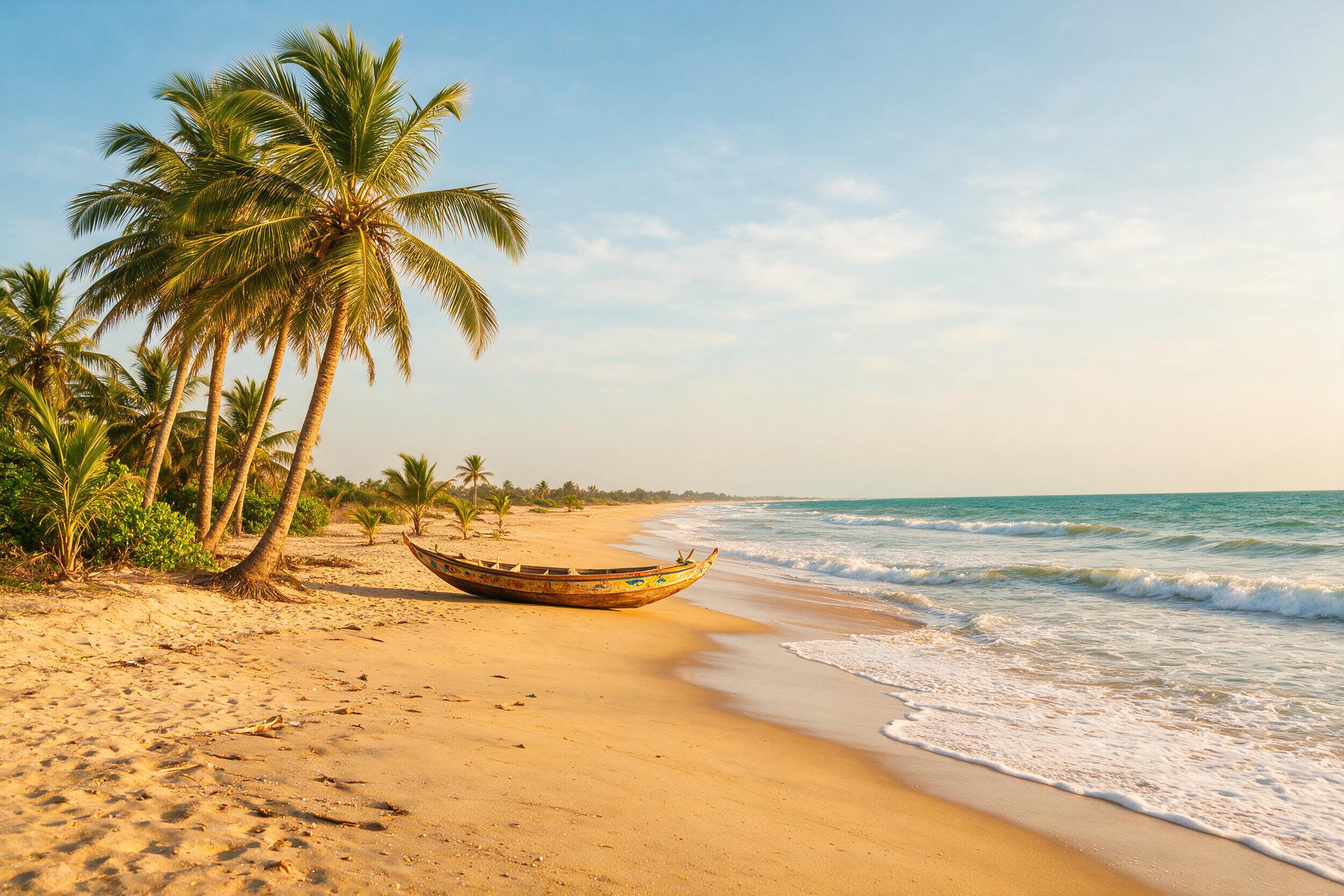
Photography tip: shoot the river at first light rather than midday — the harmattan haze that dulls the sky in January–April is at its thinnest in the first hour after sunrise, and the mangroves along the water are far more atmospheric with low, angled light than the flat glare you get by 10am.
FAQs
Do Indians really not need a visa for The Gambia anymore?
Correct, as of February 2026 — Indian passport holders can enter visa-free for tourism/short business stays of up to 90 days, with no prior visa application needed. Bring proof of onward travel and accommodation, and double-check the current rule before you fly since smaller-country visa policies can change without much notice.
Is there a direct flight from India to The Gambia?
No. Every routing involves at least one stop, commonly via Casablanca on Royal Air Maroc, or via Istanbul, Dubai, or Brussels on other carriers. Budget 14–20+ hours total travel time.
Is The Gambia safe for Indian tourists?
Broadly yes, with normal precautions — petty crime in busy areas and avoiding the Senegal border region are the two things to actually be careful about, not reasons to avoid the country altogether. A private guide/driver for excursions is the standard, sensible approach most visitors take.
Do I need malaria tablets and a yellow fever vaccine?
Malaria prophylaxis is generally recommended, especially outside the dry season — talk to a travel clinic. Yellow fever vaccination requirements can depend on your travel history and current entry rules, so check this separately from the visa question well before your trip.
What’s the currency and do I need to carry cash?
The Gambian Dalasi. It’s a closed currency you can’t get outside the country, so carry USD/Euros to exchange on arrival or withdraw dalasi from ATMs. Cards work at bigger hotels; cash is essential for markets, smaller lodges, and river-area travel.
How many days should I plan for?
Five to seven days covers the coast, the river, and Kunta Kinteh Island comfortably without feeling rushed. Given the long flight connections, fewer than four or five days probably isn’t worth the transit time.
Will my phone work there?
Africell offers the best coverage in tourist areas and is cheap to set up with a passport on arrival; eSIMs are available if you want it sorted before landing. Expect patchier signal once you’re out on the river, which for most travelers ends up being a feature, not a bug.
Final Word
The honest pitch for The Gambia isn’t that it’s the next big thing — it’s small enough, and undertouristed enough by Indian travelers specifically, that it probably won’t become one anytime soon. That’s exactly the appeal. A visa that used to require paperwork now doesn’t. The lodges on the river are genuinely excellent and genuinely uncrowded. And a week here gets you closer to a completely different Africa than most Indian travelers ever plan for — not safari-brochure Africa, but river-village, mangrove-creek, fresh-fish-for-lunch Africa, with just enough infrastructure to be comfortable and just little enough of it to still feel like you found something.
If you’re planning a first trip to West Africa and want the visa timeline, flight routing, and lodge bookings handled by people who’ve actually mapped this out rather than pieced it together from a search results page, get in touch with Get Tripped — this is exactly the kind of new-destination, high-detail planning we do best.