
Everyone we know who’s been to Sri Lanka in the last three years has the same photo — the stilt fishermen at Weligama, or the train hanging out the window near Ella, or a plate of hoppers on a beach in Mirissa. It’s a beautiful stretch of coast and none of us are saying skip it. But if that’s the only Sri Lanka you see, you’ve seen the version every Instagram feed already has, and there’s a lot more country between Colombo and the postcard.
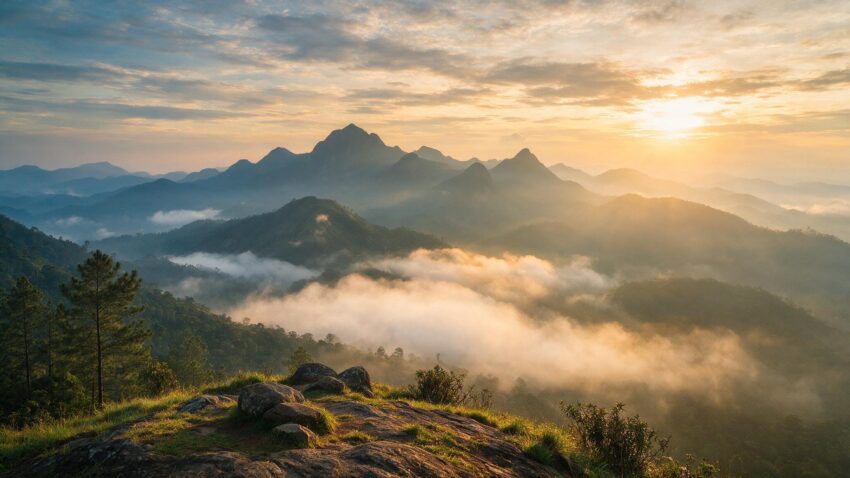
We want to point you at two places instead: the Tamil north around Jaffna, which feels like a different country entirely and gets a fraction of the visitors, and the Knuckles mountain range, a rumpled, misty stretch of highlands most tourists drive past on the way to Ella without ever turning off.
Getting In: Visa and Flights
Indians travelling to Sri Lanka currently get a free 30-day tourist Electronic Travel Authorisation — this expanded scheme, covering roughly 39–40 countries including India, was approved by Sri Lanka’s parliament in March 2026 and built on a pilot programme that’s been running since October 2023. You apply at eta.gov.lk with just your passport number, travel dates and accommodation address — no document uploads required — and approval usually lands within 24–48 hours. A walk-in option exists at Colombo airport too, if you’re cutting it fine. You’ll want a passport valid for at least six months beyond your travel dates, a return ticket, and proof of accommodation on hand, even though the ETA itself doesn’t ask you to upload them.
Flights from South India are short and frequent — Chennai and Bengaluru both connect to Colombo in a little over an hour on IndiGo, SriLankan Airlines and Air India, with return fares often available under ₹15,000 if you book with some lead time. It’s genuinely one of the easiest international trips available to Indian travellers, which makes it all the stranger that most visitors still only see the same 200km of coastline.
Best Time to Go
Sri Lanka runs two monsoon systems on opposite sides of the island, which is the single most useful thing to know before you plan a trip here. The west and south coasts (Colombo, Galle, Mirissa) are driest from December to March. The east coast and the north, including Jaffna, flip the other way — driest roughly May through September, with the northeast monsoon bringing rain from October to January. The Knuckles range, being interior highland, is workable most of the year but is at its most dramatic and least muddy from January to April and again in July–August, avoiding its two wetter shoulder periods. If you’re combining Jaffna and the Knuckles on one trip, aim for July through early September, when both regions are at their best simultaneously.
Jaffna: A Different Sri Lanka Entirely
The geography changes the moment you cross into the north — flat, sun-bleached peninsula instead of the south’s jungle and hills, a Tamil Hindu and Christian culture with its own language rhythms, and a food tradition that has almost nothing in common with what you’ll eat in Galle. Getting there takes commitment: it’s seven to nine hours by road from Colombo via the A9 highway through Anuradhapura, which makes this a fly-in trip for anyone without four extra days to spare. Domestic flights connect Colombo to Jaffna in under an hour and are worth every rupee of the fare for the time they save.
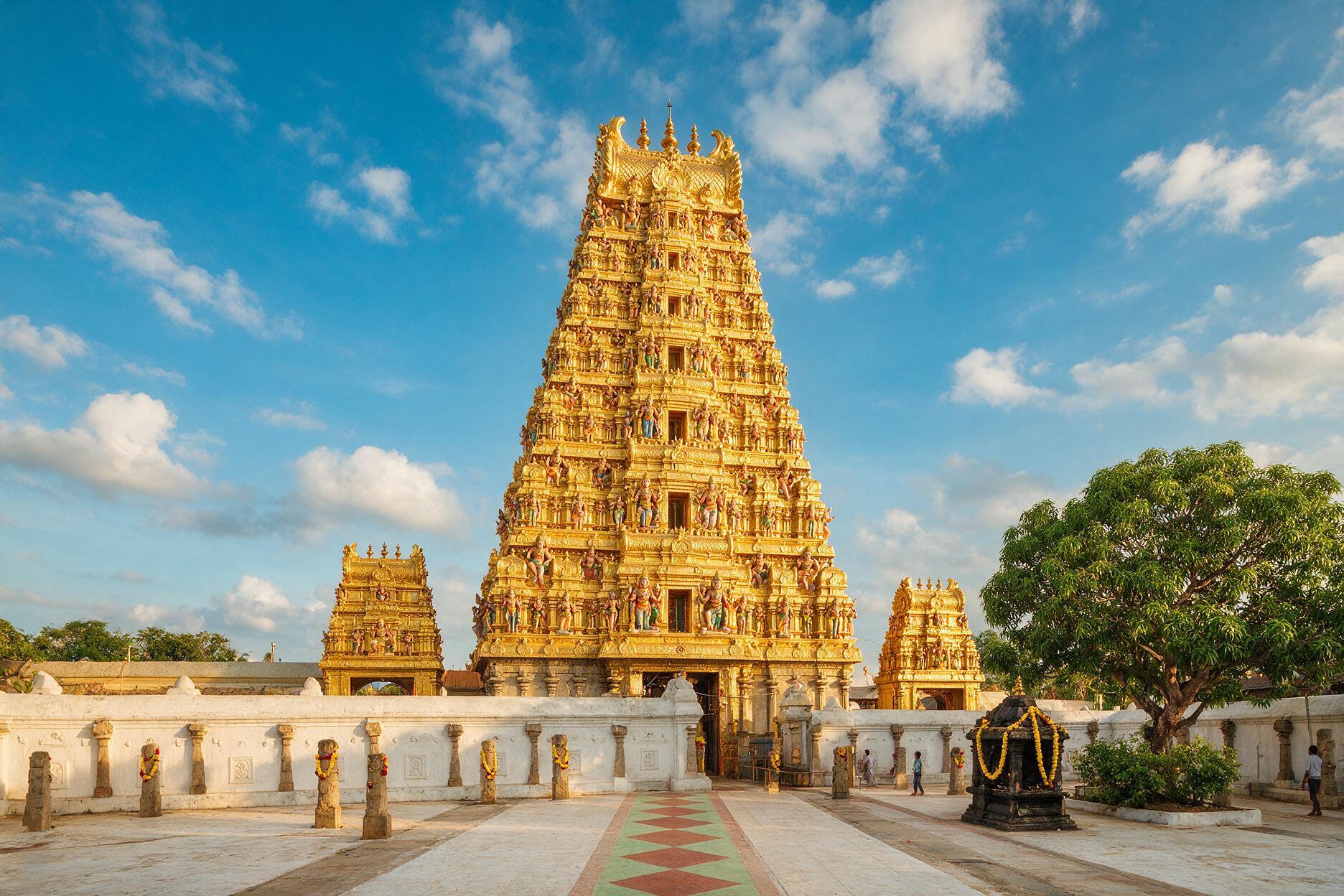
Once you’re there, the Nallur Kandaswamy Kovil is the cultural anchor of the city — a Hindu temple with a golden gopuram tower that, if you happen to be there during its annual festival, puts on processions loud and vivid enough to stop you mid-sentence. The rebuilt Jaffna Public Library, a legacy institution with a complicated history, is worth a quiet hour if you care about the region’s story rather than just its scenery.
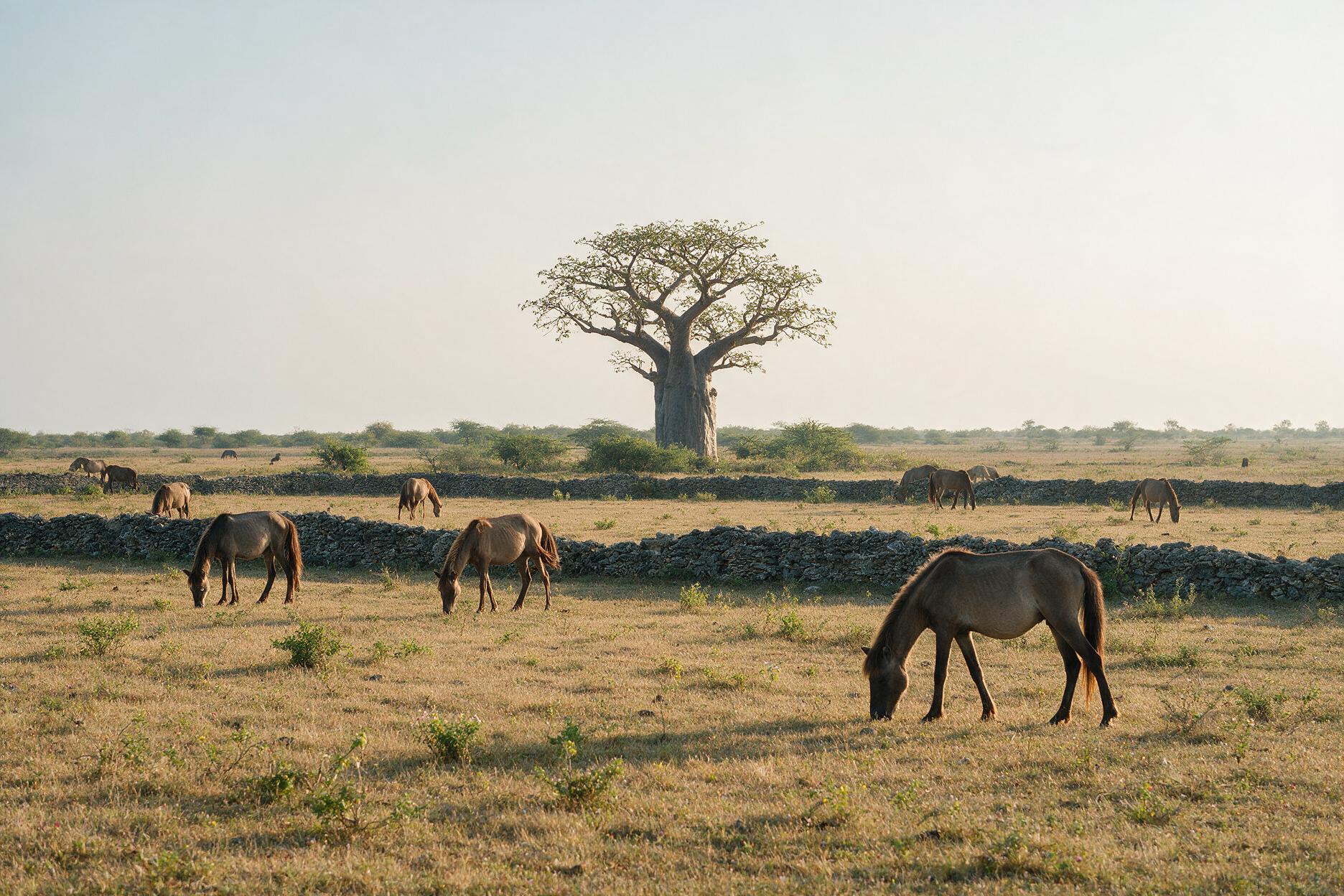
The real reason to come north, though, is the islands off the Jaffna peninsula. Nainativu holds both a Hindu kovil and a Buddhist temple within walking distance of each other, a small but pointed detail about how the north’s communities have historically shared space. Kayts is linked by causeways across shallow lagoons, easy to explore by scooter in half a day. And Delft Island (Neduntheevu), reached by a short ferry, has semi-wild ponies descended from Dutch colonial stock roaming coral-stone-walled fields, along with a genuinely strange sight: a baobab tree, planted centuries ago and now the only one of its kind on the island, utterly out of place against the flat Tamil landscape around it.
Eat Jaffna crab curry at least once — it’s the dish the region is known for, built on a roasted spice blend that’s noticeably different from the coconut-forward curries of the south. Odiyal kool, a seafood-and-tuber soup thickened with palmyra root flour, and rice hoppers are both worth seeking out too, and if you’re vegetarian, the north’s rice-and-lentil cooking traditions run deep enough that you won’t be limited to hotel buffets.
The Knuckles Range: Sri Lanka’s Highlands, Minus the Crowds
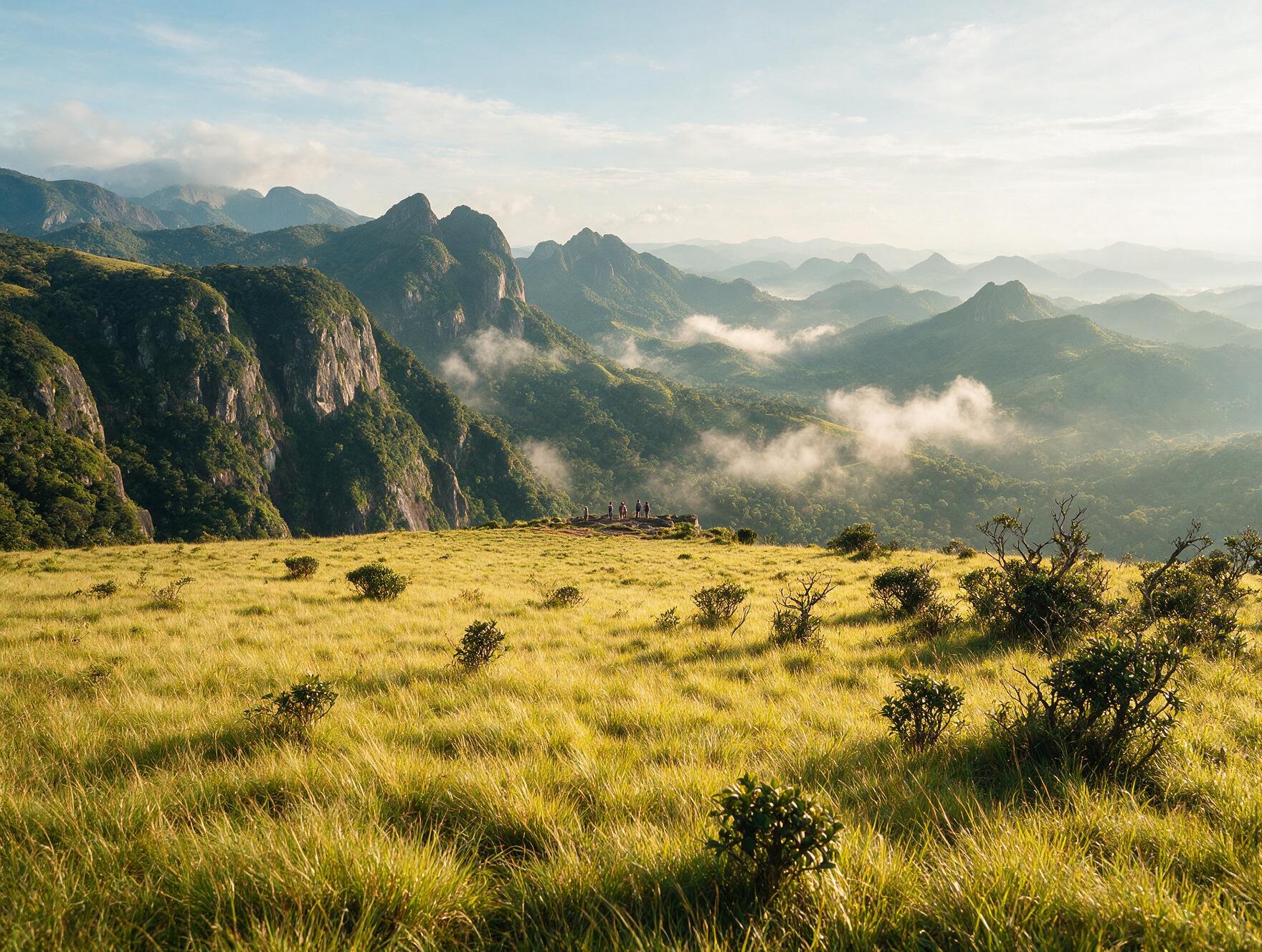
Most travellers doing the classic hill-country route go Kandy to Ella and never turn off toward the Knuckles, a jagged mountain massif named by British surveyors for its resemblance to a clenched fist. That’s the whole appeal — it sits an hour or two from Kandy, a UNESCO World Heritage Site in its own right, and sees a fraction of Ella’s foot traffic.
The drive out from Kandy through Matale climbs the winding Rattota mountain pass, and the landscape changes as you go — spice gardens and terraced paddy fields give way to pine forest and a noticeably cooler, mistier air the higher you climb. Riverston, the first major viewpoint, delivers sweeping views across the range along with genuinely piercing wind at altitude — bring a layer you wouldn’t think you’d need in Sri Lanka. Beyond it, the road descends to Pitawala Pathana, an open grassland sitting on a slab of exposed rock, where a short walk gets you to what locals call “Mini World’s End” — a cliff edge with views that rival the famous World’s End viewpoint near Ella, without the entrance queue.
Keep descending and you reach Thelgamu Oya, a river valley with cold, clear streams running down from the Knuckles peaks, forming natural swimming pools that are genuinely one of the best-kept secrets in Sri Lankan hill country. A handful of local eateries near the river serve simple, good food, and the nearby Sera Ella waterfall makes a natural end point for the day before heading back down to Kandy.
A Mistake to Avoid
Don’t try to add Jaffna onto a standard south-coast-plus-hill-country itinerary as an afternoon side trip — the road distance alone makes that impossible, and rushing it defeats the purpose of going somewhere genuinely different. Treat Jaffna as its own two- to three-day leg, flown in and out of Colombo, rather than trying to stitch it onto a beach holiday.
A Fun Fact Worth Knowing
Delft Island’s semi-wild ponies are believed to be descendants of horses brought over during the Dutch colonial period in the 17th century — they’ve been running loose on the island for roughly 300 years, answerable to no one, which is a fairly good metaphor for how the whole north operates relative to the more tourist-managed south.
A Photography Note
The light in the Knuckles is best in the hour after sunrise, when the mist is still sitting in the valleys below Riverston and hasn’t burned off yet — arrive at the viewpoint before 7am if you want the shot everyone else misses because they left Kandy after breakfast. In Jaffna, skip trying to photograph the Nallur Kovil’s gopuram in the flat midday light; early evening, when the gold catches a lower sun, is when it actually looks like the temple you came to see. And on Delft Island, the ponies are most active and least skittish in the cooler early morning hours, before the day’s heat sets in and they retreat toward whatever shade the coral-walled fields offer.
Where to Stay and What It Costs
Jaffna’s hotel scene has grown fast over the last few years — expect clean, comfortable mid-range hotels in town from roughly $40–70 a night, with a couple of newer boutique properties pushing toward $100–150 for something more polished. The Knuckles side is better done from a small number of eco-lodges and homestays right at the range’s edge, generally $50–90 a night, which also gets you a local guide for the trails, worth having since paths aren’t always well marked. Across both regions, a comfortable mid-range daily budget — meals, a driver or local transport, entry fees — runs $50–80 per person; add a private driver for the full trip and you’re looking at $100+ a day, which for two or more travellers splits out to a genuinely reasonable rate for the convenience.
Money and Connectivity
The Sri Lankan rupee is the currency, cash is still king outside hotels and city restaurants, and ATMs are reliable in Jaffna town and Kandy but sparse once you’re actually in the Knuckles foothills — withdraw what you need before you head into the hills. Dialog and Mobitel both sell tourist SIMs at Colombo airport with decent data packages; coverage is solid in Jaffna and along the main Knuckles approach roads, patchier once you’re deep in the range itself, which is arguably part of the appeal.
Who Should Make the Detour
Couples looking for something quieter than the south coast will find the Knuckles’ eco-lodges and natural swimming pools hard to beat for a slow, unplugged day or two. Solo travellers will find both regions safe and manageable, though Jaffna rewards hiring a local driver-guide who can navigate the causeways and ferry timings for the islands. Families with older children will get more out of the Knuckles’ hiking and swimming than the crowded viewpoints further south. For a luxury angle, a private car and driver-guide through both regions, paired with one of Jaffna’s newer boutique stays, turns this into a genuinely bespoke week rather than a backpacker detour.
Frequently Asked Questions
Do Indians need a visa for Sri Lanka?
Indians currently qualify for a free 30-day tourist ETA, applied for online at eta.gov.lk, with approval typically within 24–48 hours.
How do you get to Jaffna from Colombo?
By road it’s seven to nine hours via the A9 highway through Anuradhapura. Domestic flights cover the same route in under an hour and are the more practical option for most itineraries.
Is the Knuckles range difficult to hike?
Trail difficulty varies widely — Riverston and Pitawala Pathana are accessible to reasonably fit walkers, while some of the range’s deeper peaks require a local guide and a full day. Hiring a guide is recommended throughout, since paths aren’t consistently marked.
Is Jaffna safe to visit for tourists?
Yes. Jaffna has been a stable, welcoming destination for visitors for several years now, with a distinct culture and cuisine worth experiencing on its own terms.
Can you visit both Jaffna and the Knuckles range on one trip?
Yes, though it’s worth budgeting at least six to seven days total given the travel time each region requires, and aiming for July through early September when both areas’ weather aligns.
What currency should I carry in Sri Lanka?
The Sri Lankan rupee. Cash is essential outside hotels and city restaurants, particularly once you’re in the Knuckles foothills where ATMs are sparse.
Conclusion
The south coast earned its reputation honestly — it’s a good trip. But Sri Lanka is a small island with a surprising amount packed into it, and the north and the highlands both reward the extra effort of getting there with something the well-worn route can’t offer anymore: a place that still feels like yours to discover.
If you want to build a Sri Lanka itinerary that goes beyond the standard coastal loop, Get Tripped can put together the flights, drivers and stays for a route through Jaffna and the Knuckles alongside — or instead of — the classic south. Reach out and we’ll map it against however many days you have.